THE CORPORATE SKI RESORTS ARE FOLDING. THE INDEPENDENTS ARE STILL OPEN.
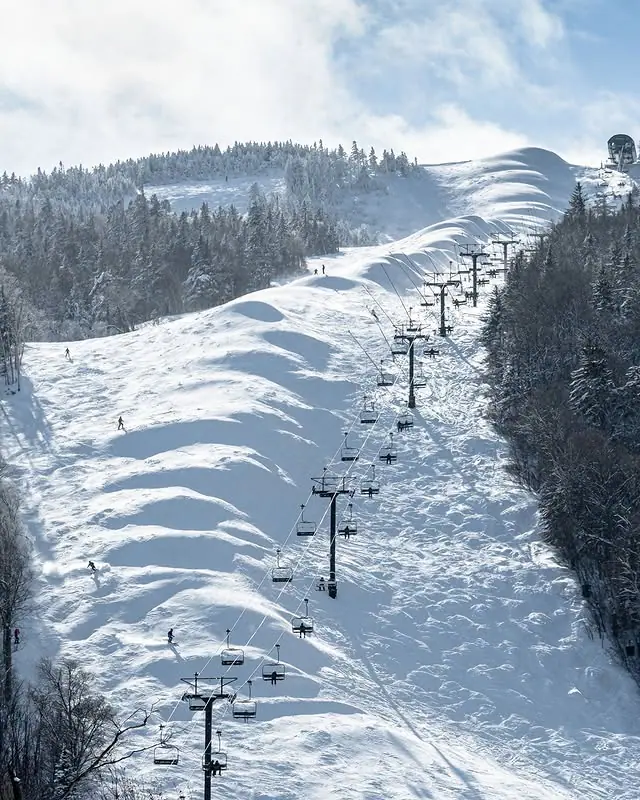
Spring 2026 is making it obvious who actually cares about skiing.
It’s early April in New England.
The snow is still deep. The days are long. The corn is perfect.
And the biggest ski resorts in the region are shutting down.
Meanwhile, the little guys? Still spinning lifts.
This isn’t a weather story. It’s a business model story. And if you ski in New England, you need to pay attention.
THE SCOREBOARD
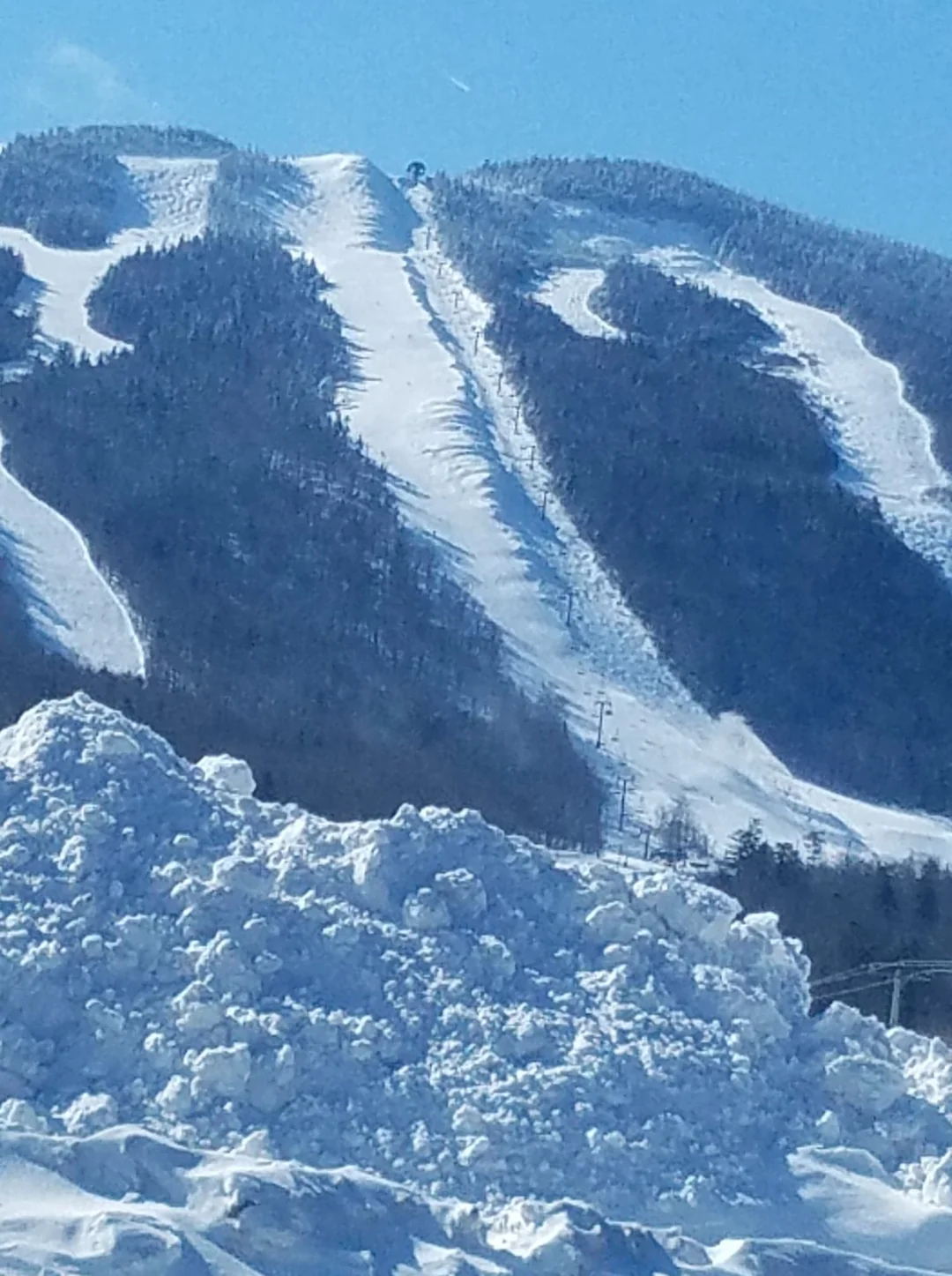
Killington, Vermont, independent, privately owned, markets itself as the East’s longest season, and it’s earning that title again this spring, with no announced closing date and passes sold through the end of the season.
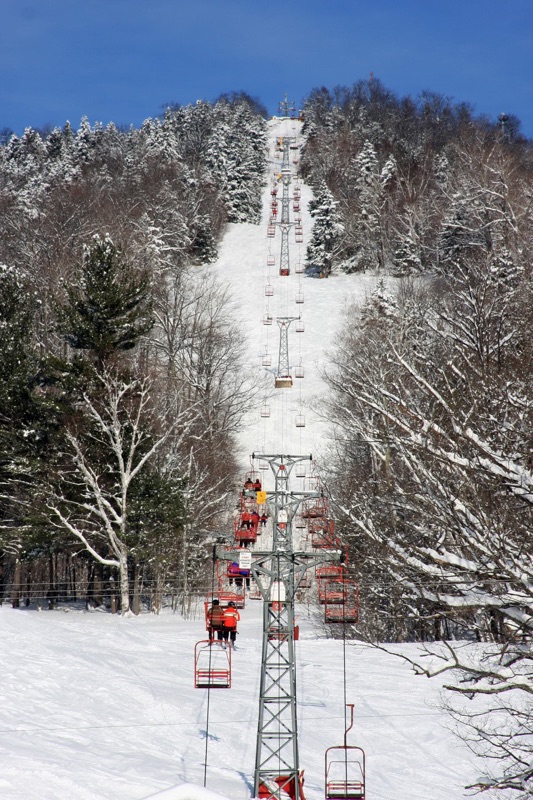
Black Mountain in Jackson, New Hampshire, claims it will keep at least one run open until June 1. June. In New Hampshire. That’s not a typo.
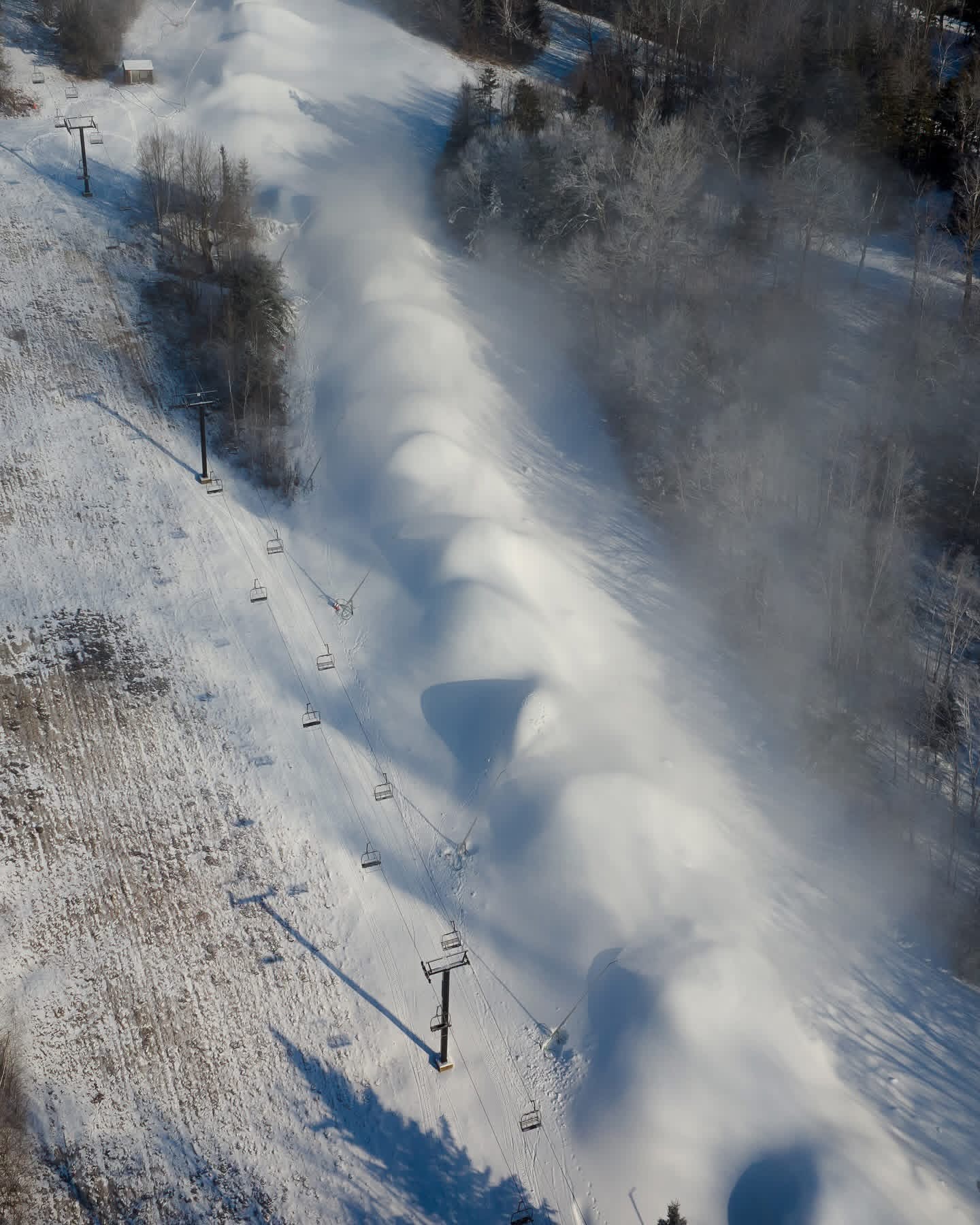
Now look at the corporate side.
Sunday River, owned by Boyne Resorts closes April 19, 2026. Not a snow shortage. Not a force majeure. A scheduled corporate shutdown, weekend-only operations in the final stretch, with terrain shrinking each week.
Wildcat Mountain, owned by Vail Resorts, closes April 6, 2026. Wildcat. A mountain that sits in the shadow of Mount Washington, one of the snowiest spots on the East Coast. Wildcat’s elevation and proximity to Mount Washington produces over 200 inches of natural snowfall annually, historically running from mid-November through early May. And Vail is closing it in the first week of April.
Sugarbush, Vermont, owned by Alterra Mountain Company, paused operations March 31 and April 1 with plans to reopen April 2, weather permitting, closing around April 5. 
The snow doesn’t care who owns the mountain. The calendar does.
THE FALL OF SUNDAY RIVER
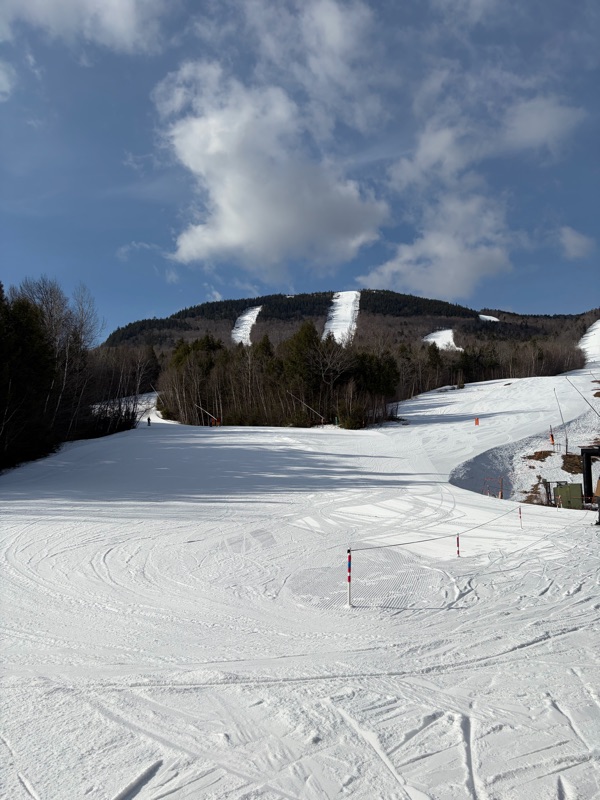
Sunday River was once the crown jewel of New England skiing. Eight interconnected peaks. 139 trails. The mountain that Les Otten rebuilt from nothing into one of the most sophisticated snowmaking operations in the world.
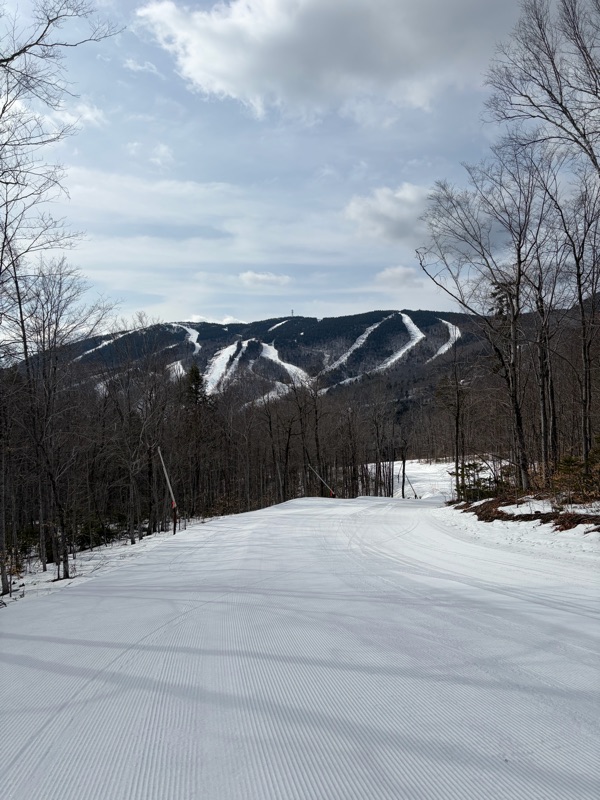
Sunday River has been operated by Boyne Resorts since being sold by American Skiing Company in 2007 for a combined $77 million along with Sugarloaf. 
Under Boyne, the mountain has been managed competently. The infrastructure is solid. The lodging is fine. The product is reliable.
But reliable isn’t the same as passionate.
Look at the spring 2026 schedule. After March 29, Sunday River drops to intermediate and advanced terrain only, accessed by a single lift, the Jordan 8. The South Ridge base area goes to limited services. The resort closes entirely April 6 through 10, reopens for one final weekend April 11-12, closes again through April 17, and then runs one last closing weekend April 18-19. 
That’s a managed wind-down. A corporate offboarding of the ski season.
Eight peaks. And in April, you’re skiing one lift.
WILDCAT: VAIL’S NEGLECTED GEM
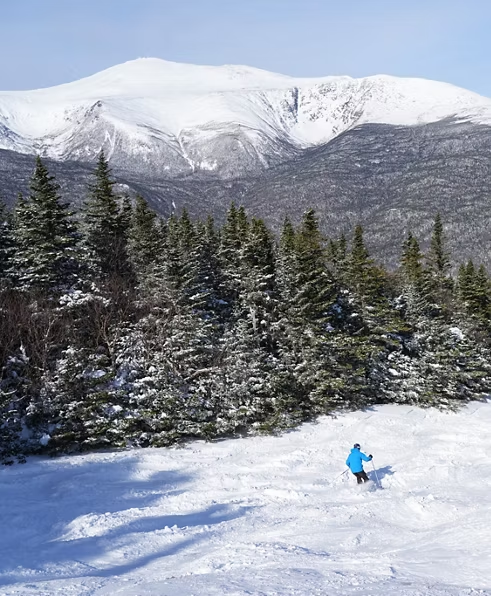
Of all the corporate failures in New England this spring, Wildcat is the most painful.
This is a mountain with 2,112 feet of vertical. Views straight up to the summit of Mount Washington. One of the oldest ski-racing trails in the United States, originally built in 1933 by the Civilian Conservation Corps. The Polecat Trail, the longest ski trail in New Hampshire.
Since Vail’s acquisition of the mountain in 2019, the summer gondola cabins haven’t been used. Small thing. Telling thing.
And now Wildcat closes April 6. Before mud season. Before the snow is gone. In a place that historically skis into May.
Vail Resorts positions Wildcat as a destination for new guests to enter the sport, a feeder mountain for the Epic Pass ecosystem. What it’s not positioned as is a mountain worth investing in, extending, or fighting for.
Closing Wildcat in early April isn’t a weather decision. It’s a spreadsheet decision.
SUGARBUSH: ALTERRA’S BEAUTIFUL AFTERTHOUGHT
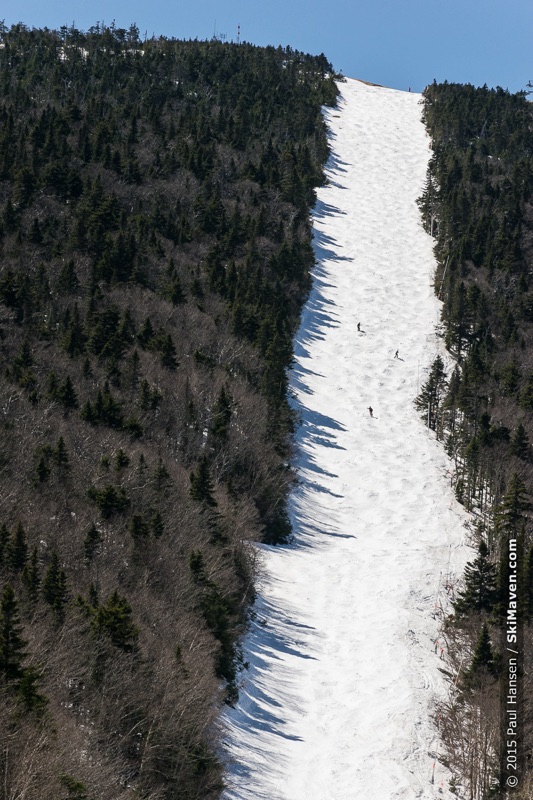
Sugarbush is arguably the most naturally gifted ski mountain in New England. 484 skiable acres, 111 trails, 2,600 feet of vertical — the second largest in Vermont after Killington. Two mountains connected by what was once billed as the world’s fastest chairlift.
Win Smith, who sold the resort to Alterra in 2019, described the sale as bittersweet, like a tear in his eye at his daughter’s wedding. He cited climate change, rising costs, and the impossible economics of competing against multi-resort passes as the reasons independent operators like Sugarbush couldn’t survive.
Alterra bought it. Invested in snowmaking. Fixed the Slide Brook Express. Did real work.
And then closed it the first weekend of April.
Sugarbush’s final spring events, the Pond Skim party on April 12, the Spring Fling concert on April 4, are genuine celebrations. Nobody’s phoning it in.
But the season is still over weeks before the mountain needs to be.
The problem isn’t management. The problem is incentive. When a mountain is a line item in a portfolio of 15 destinations, the calculus for staying open an extra three weeks doesn’t pencil out. Staff down, cut costs, move on to the next season’s marketing cycle.
WHY THE INDEPENDENTS WIN ON DURATION
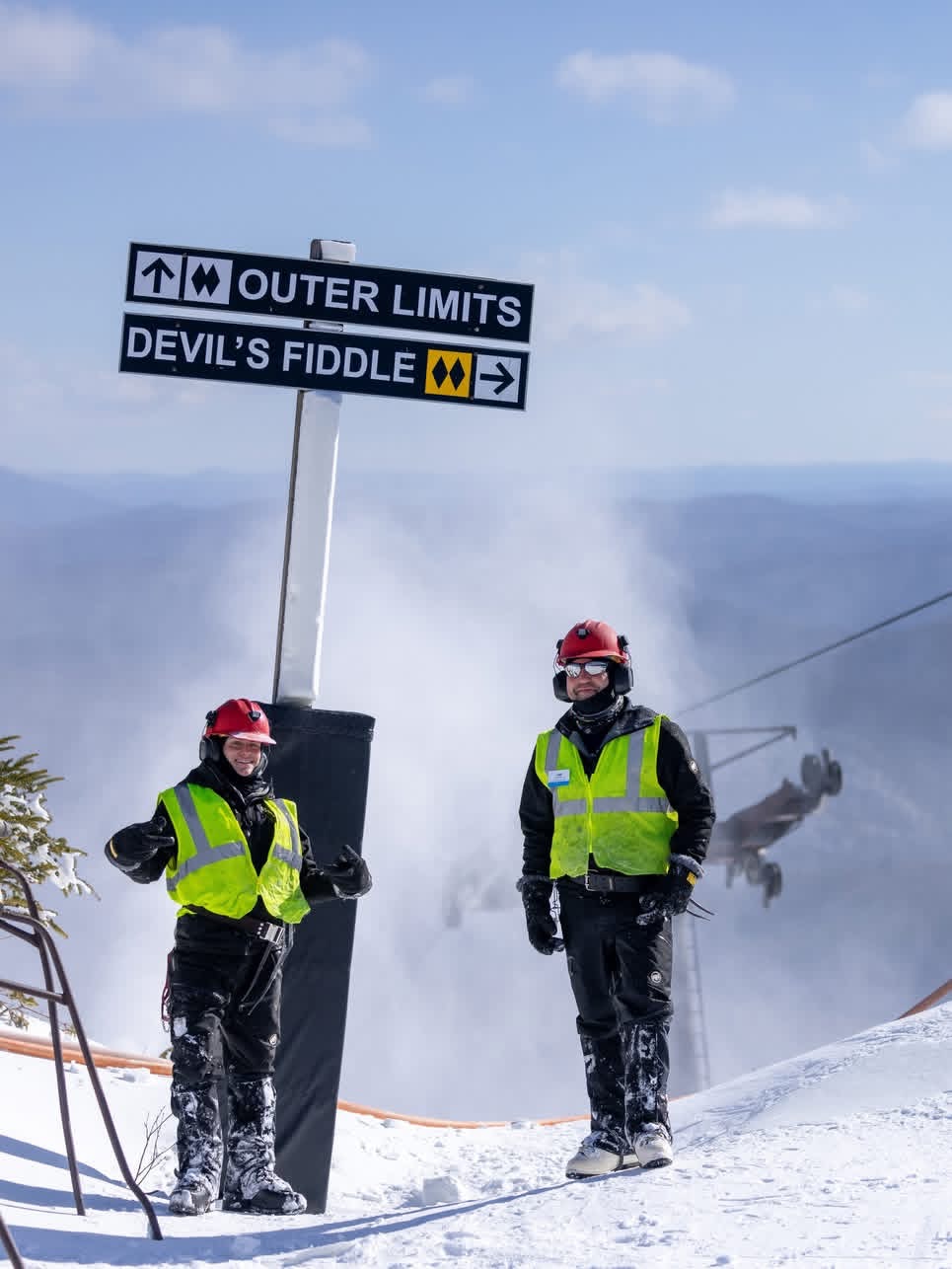
Killington historically runs from November through May and sometimes into early June. It’s not a fluke. It’s a strategy. Killington receives roughly 250 inches of natural snowfall annually, combined with snowmaking systems that can cover 600 acres with 12 inches per day in ideal conditions. 
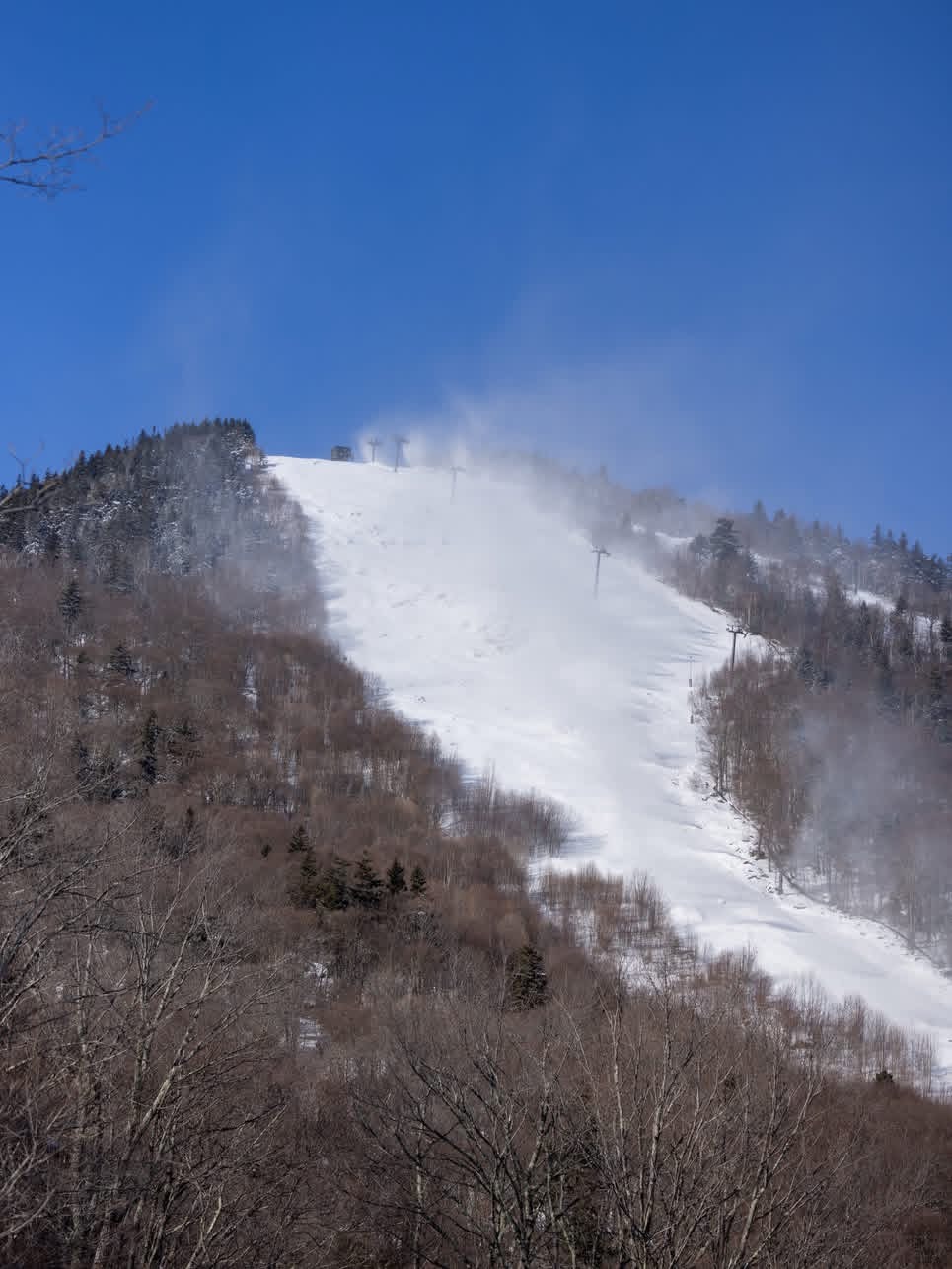
But snowmaking alone doesn’t explain it. Stowe has snowmaking. Wildcat has snowmaking. They’re not skiing into May.
The difference is ownership structure and mission alignment.
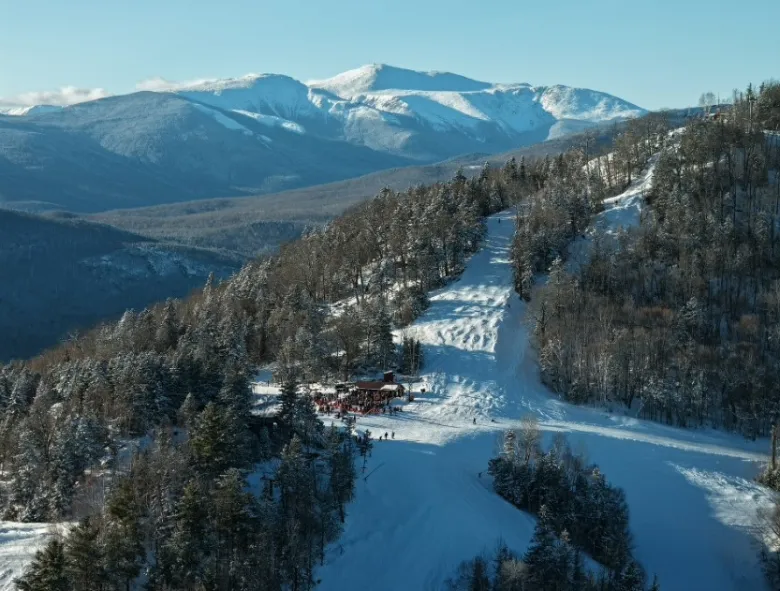
Erik Mogensen, who now owns Black Mountain outright, put it plainly: “People are super hungry for the culture of skiing. It’s champagne, family atmosphere, and crock pots in the lodge. It’s not just high-speed lifts.” 
Under Mogensen’s ownership, Black Mountain, once a relatively unknown ski area, roared back to life, becoming a national icon for the independent side of the resort industry. There’s currently a waitlist for 2026-27 season passes. At a mountain with two chairlifts.
Independent ski areas “are on a death slide,” Mogensen wrote, but Black Mountain is “a micro example of a macro problem.”  His answer is to make it a laboratory for solving that problem at scale, relocating both Indy Pass and Entabeni Systems headquarters from Colorado to Jackson, New Hampshire, and using Black Mountain as the proving ground.
That’s not a business decision. That’s a belief system.
THE REAL COST OF CONSOLIDATION
The Epic Pass. The Ikon Pass. The Boyne Passport. These products are brilliant for consumers in January. Unlimited access to dozens of mountains for a fixed price. The economics work because the resorts are all open anyway.
But the incentive structure creates a specific pathology: resorts are rewarded for volume in peak season and penalized for staying open in shoulder season. The pass is already sold. The lodging occupancy drops in April. The marginal cost of keeping lifts spinning isn’t covered by the marginal ticket revenue.
So they close.
The independent operators make exactly the opposite calculation. Every day they stay open is a day they can sell a lift ticket to someone who didn’t buy a season pass. Every April weekend at Killington or Black Mountain is real revenue, real margin, real competitive advantage.
This year saw one of the best Northeast ski winters in years, solid snowfall starting in mid-November, long cold spells for consistent snowmaking, and no mid-winter warm-ups that wrecked the previous two seasons. The snow is there. The corporate resorts are leaving anyway.
THE BOTTOM LINE
New England skiing is consolidating toward a duopoly of Vail and Alterra, with Boyne controlling the Maine market. These are sophisticated operators. They’ve invested real capital. The product is generally good.
But good isn’t the same as great. And managed isn’t the same as loved.
The resorts closing in early April aren’t closing because they have to. They’re closing because the model says to. Because the MBA analysis says the last three weeks aren’t worth the operational cost. Because somewhere in a Colorado or Michigan office, someone is looking at April staffing projections and deciding the number doesn’t work.
Meanwhile, at Black Mountain in Jackson, they’re talking about skiing into June.
— Daniel Kaufman

About Daniel Kaufman
Daniel Kaufman is a real estate developer and investor, focused on affordable housing, workforce housing, and mixed-use development across the Country. He is the founder and principal of Kaufman & Company and the co-founder of Convivium Living, an institutional bridge lending platform built to end predatory hard money lending for small residential developers.
He has been active in the most challenged housing markets. His work sits at the intersection of capital, community, and the stubborn belief that good development changes lives.
He also skis. A lot. Mostly at Sunday River, which gives him strong opinions about what Boyne is doing with it.
Follow Daniel’s work and writing at danielkaufman.info and danielkaufmanrealestatedeveloper.blogspot.com. Connect on Telegram: @DanSkiAndBuild.


Comments
Post a Comment