An Open Letter from a Pass Holder: Sunday River, It’s Time to Listen
On Boyne’s drift, Killington’s reawakening, and the little mountain in New Hampshire that quietly showed everyone how it’s done.
By Daniel Kaufman | April 2026
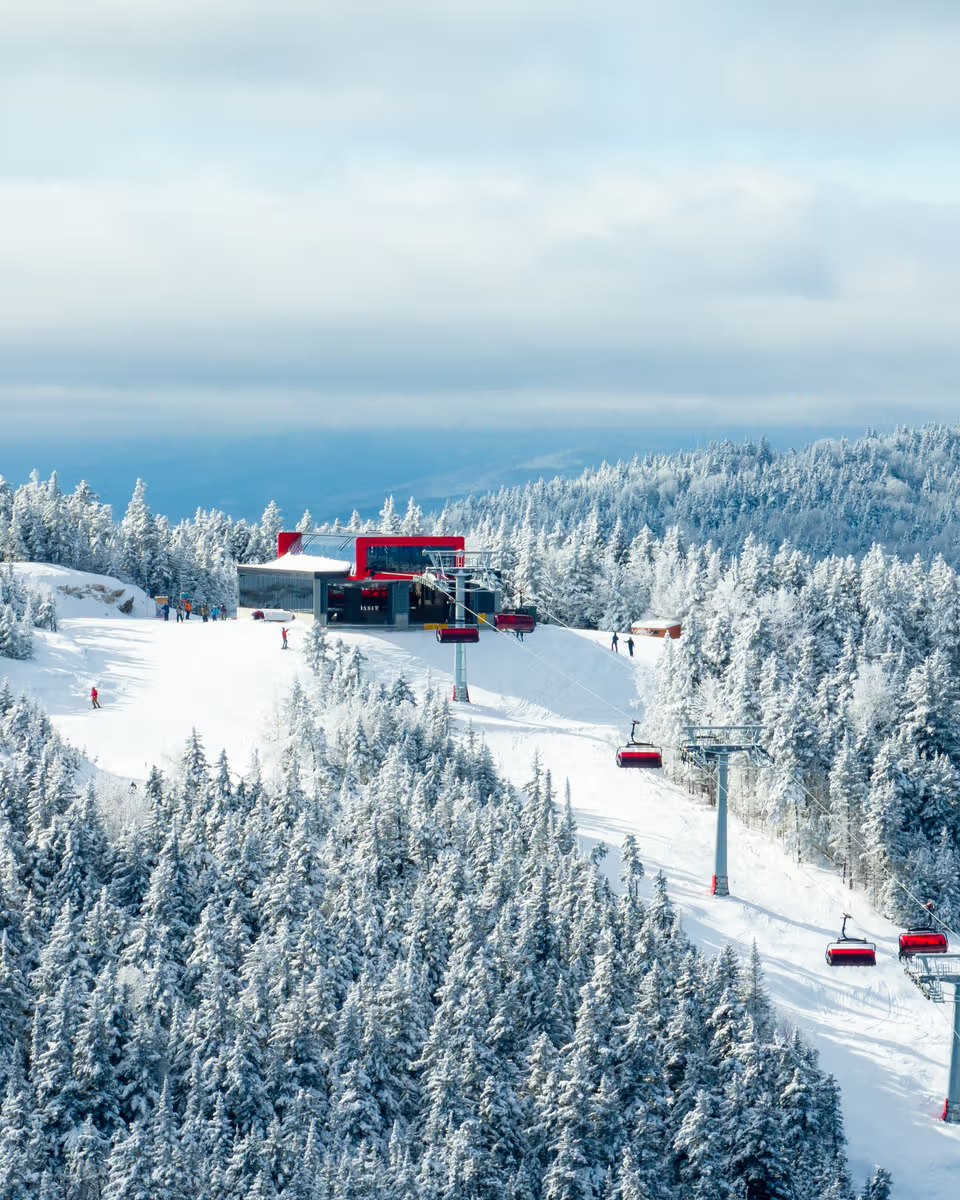
I’m a Sunday River pass holder. I own property there. I love that mountain — the eight interconnected peaks, the snowmaking that won’t quit, the community of people who’ve made Western Maine’s ski scene their winter home. This piece comes from love, not grievance. But love sometimes means telling the truth.
Let me say upfront: Boyne Resorts is not the enemy. They’re not Vail. They’re a family-owned company that’s been around since 1947, still run by the Kircher family, and they have made real capital investments at Sunday River — new lifts, snowmaking upgrades, infrastructure improvements that matter. Credit where it’s due.
But something has been drifting. And when you compare what’s happening at Sunday River to what Killington is doing under new independent ownership — and to what a small mountain in Jackson, New Hampshire is doing with almost no resources at all — the contrast is impossible to ignore.
The Drift at Sunday River
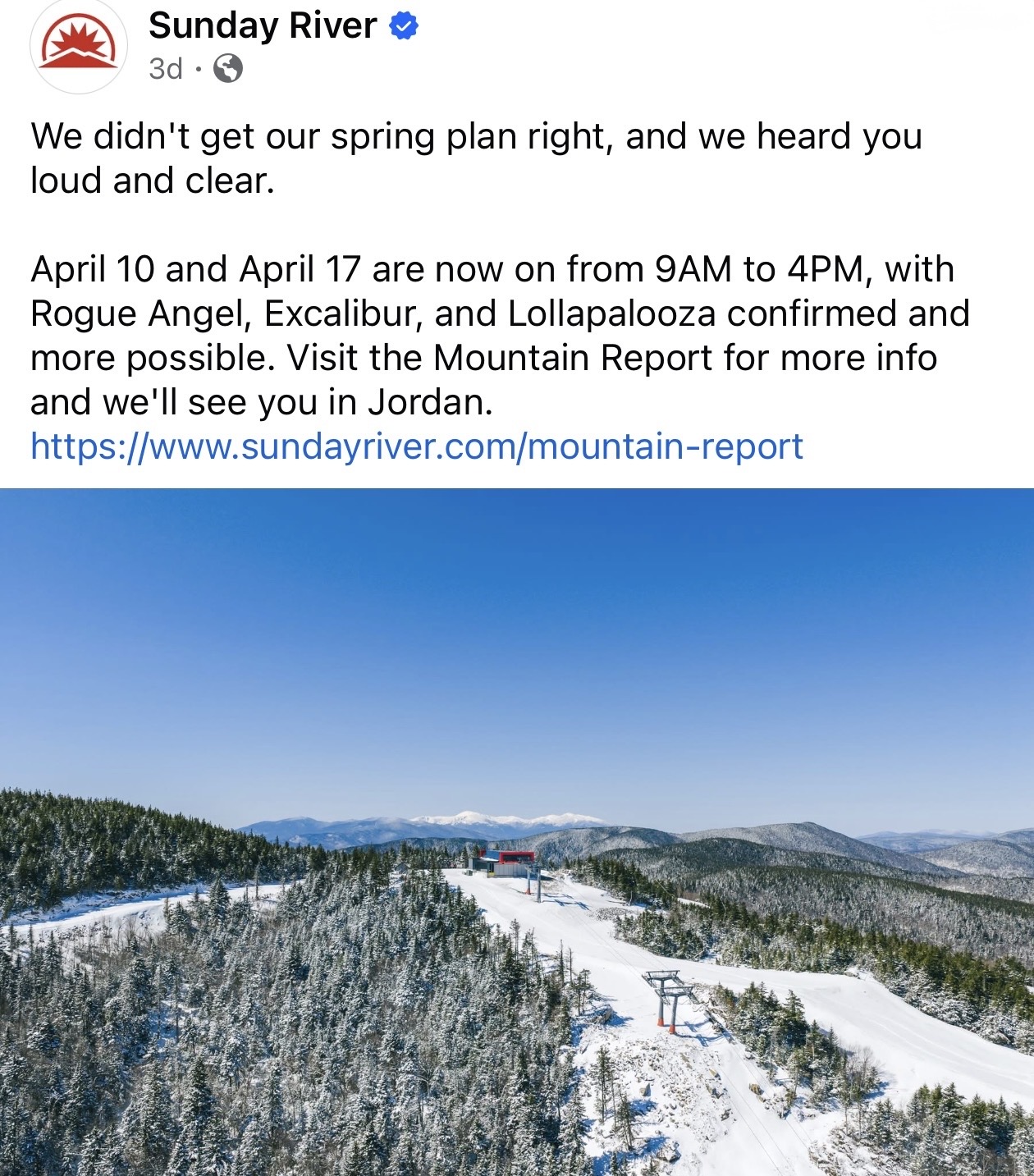
Let’s start with what happened just this week, because the timing could not be more perfect. Sunday River published an apology on April 10th, 2026. Not a press release touting a ribbon cutting. An apology. The mountain rolled out a spring operations plan that gutted terrain and lift access — shutting down Barker, North Peak, South Ridge, and White Cap, including the early closure of White Heat, the mountain’s signature double-black-diamond trail — while also closing on weekdays.
The backlash from guests and pass holders was immediate and loud. To their credit, management reversed course and reopened additional terrain. And the words they used in their mountain report are worth sitting with: “When we announced reduced spring operations, we missed the mark. Our plan to wind down the season didn’t reflect who we are or what our guests and passholders deserve.”
“We missed the mark.” That’s not a PR line. That’s a management team that got too far ahead of the spreadsheet and behind their skiers. The apology is welcome. The fact that it was necessary is the real story.
This spring operations misstep didn’t come out of nowhere. It reflects a broader pattern that pass holders have been grumbling about for seasons: decisions that feel like they’re being made for the mountain’s financial efficiency rather than the skier’s experience. Weekday closures. Early terrain wind-downs. A resort that, when crowded on a peak Saturday, can feel more like a logistics exercise than a ski day.
The crowding issue is real. Sunday River is enormously popular — Boston-area skiers flood the mountain on peak weekends — and while Boyne has been smart about tiered pass pricing and off-peak incentives, the on-mountain experience during high-traffic periods still frustrates regulars. Groomers that are already bumped up by 10 AM. Lift lines that test patience. A food-and-beverage operation that can feel like an afterthought when you’re hungry at noon and the lodge is overwhelmed.
And then there’s the ski patrol situation. In February 2025, more than 70% of Sunday River’s paid ski patrol staff filed a petition with the National Labor Relations Board to form the first unionized ski patrol on the East Coast. Their ask was straightforward: fair compensation, safe working conditions, and professional development. Their statement said they “love our work in the mountains of western Maine” and are asking Boyne to “invest in us so that we can continue to perform our jobs at the highest level.”
When the people responsible for keeping guests safe on the mountain feel compelled to unionize to get basic investment in their profession, that’s a cultural signal management needs to take seriously. The United Mountain Workers president put it bluntly: the ski industry has become “focused more than it ever has been on capturing wealth for executives and shareholders and maximizing profits — and not exactly paying workers their fair share.” That critique isn’t unique to Boyne, but it landed at Sunday River, and it matters.
The sentiment circulating in the ski community is that Boyne manages Sunday River well enough — the capital investment in lifts and snowmaking is genuinely good — but the skier experience layer has gotten thinner. It’s the details. Staff morale. Spring operations. Terrain management on busy days. Food quality. The feeling that you’re a transaction rather than a guest. That gap between infrastructure investment and guest experience is where trust erodes. And trust, once eroded with your most loyal customers — pass holders and homeowners — is very expensive to rebuild.
Meanwhile, Killington Woke Up
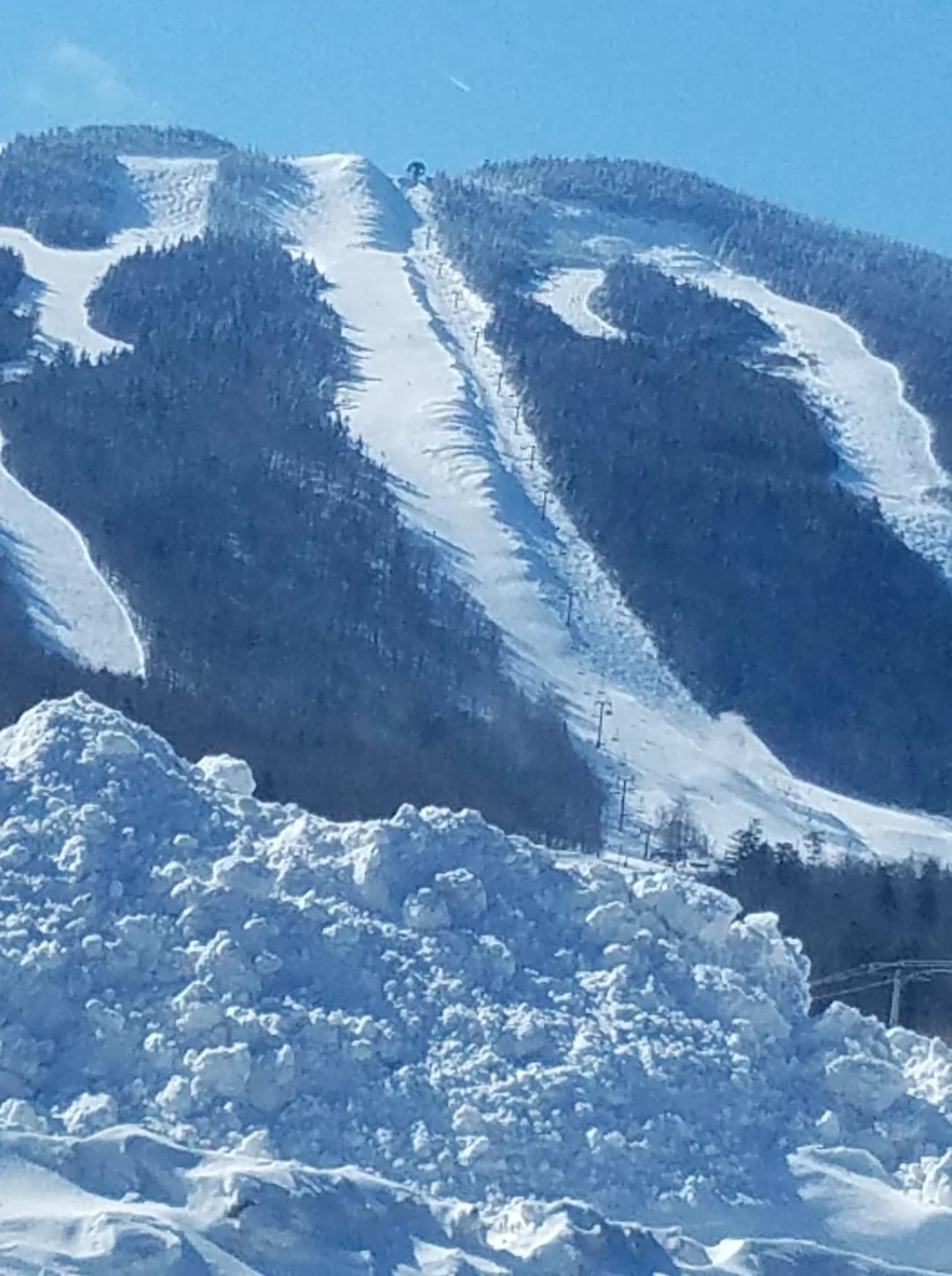
For decades, Sunday River and Killington were the great rivals of New England skiing — Sunday River the snowmaking beast of Maine, Killington the self-proclaimed “Beast of the East” in Vermont. They competed for the same Boston market, the same mid-Atlantic skiers, the same regional bragging rights.
Under POWDR Corp’s ownership, Killington was competently managed but not inspired. The infrastructure aged. The lodges felt tired. The vibe was corporate. And then, in September 2024, something remarkable happened: Killington was sold to a local group of investors led by Phill Gross and Michael Ferri — people who have lived in Killington for decades, who stopped POWDR from closing the Skyeship Gondola back in 2007, and who clearly love that mountain in a way that only locals can.
The deal closed without debt. And on day one, the new owners announced what they would do with the profits going forward: reinvest all of them into the mountain for the foreseeable future. Not distribute them. Not pay down acquisition leverage. Put them back into Killington and Pico.
The new ownership group held a packed town hall that fall, and attendees described it as the most well-attended resort community meeting anyone could remember. The owners answered questions. They talked about their vision. They acted like they had something to prove — because they did.
Within their first two seasons, Killington committed $38 million in capital improvements across the two mountains, with another $22 million earmarked for 2026. The headline items: replacing the Superstar Express with a new Doppelmayr high-speed six-pack, installing 1,000 new low-energy snowguns across Killington and Pico, replacing all 116 gondola cabins on the Skyeship lift (and fixing the doors that wouldn’t close in the process), adding new groomers, and breaking ground on a long-overdue base village development.
New owner Michael Ferri said profits will “stay here in Vermont, it will stay here at Pico, it will stay here at Killington to continue to improve the experience the skier receives.” When’s the last time you heard language like that from a resort operator?
Yes, Killington skipped the 2025 World Cup to accommodate the Superstar lift installation — forgoing one of skiing’s marquee events at your own mountain. But the new owners made the call that long-term infrastructure beats short-term prestige. Skiers noticed.
The energy around Killington right now is electric in a way it hasn’t been in years. Locals feel ownership of their mountain again. The resort is listening at town halls, addressing feedback about parking and lift queues and overcrowding, and showing up with real answers. It’s not perfect — no resort is — but the direction is unmistakable.
Sunday River, take note. You have a fierce competitor who just rediscovered its soul. And it’s coming for you.
And Then There’s Black Mountain
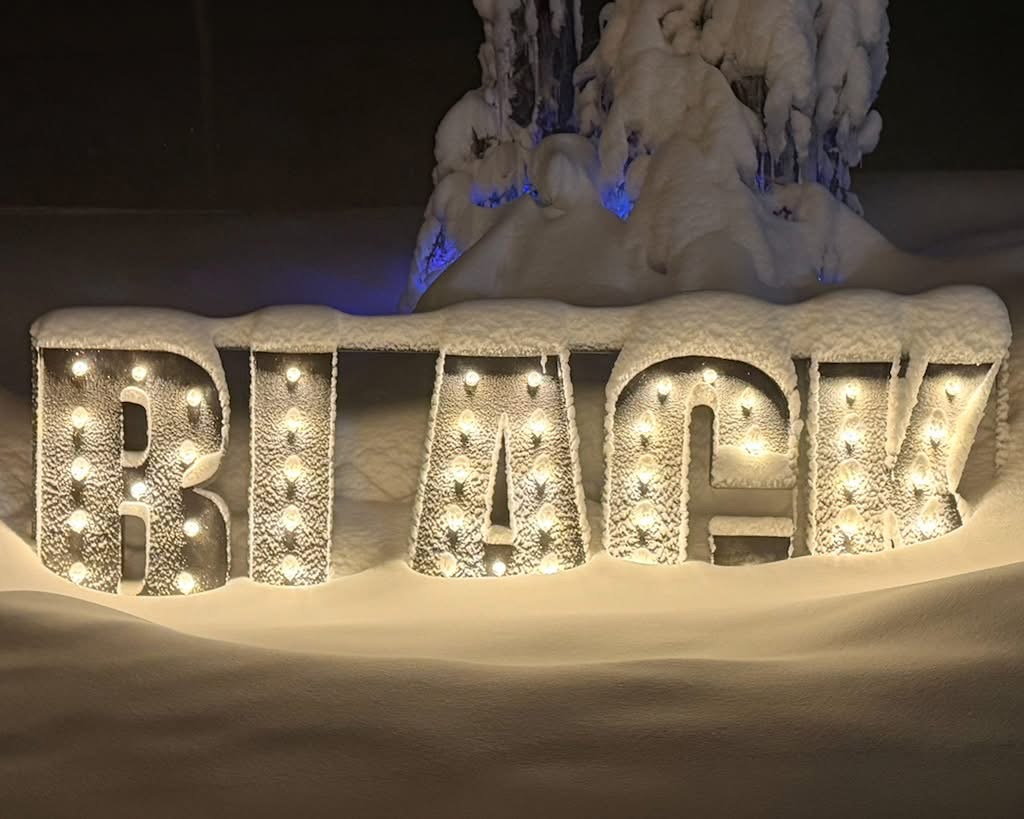
If Killington is the cautionary tale of what happens when outside corporate ownership loses touch with a mountain community, Black Mountain, New Hampshire is the antidote — the small, improbable story that proves what’s possible when someone runs a ski area like they actually care.
Black Mountain is New Hampshire’s oldest continuously operating ski area, a modest 1,100-vertical-foot hill in Jackson that most destination skiers have never heard of. In 2023, it nearly closed for good. Staffing shortages and soaring costs had the Fichera family — who’d run it for 30 years — ready to turn off the lights.
Enter Erik Mogensen, the founder of the Indy Pass and CEO of Entabeni Systems, a company focused on helping independent ski areas survive. Mogensen heard about Black Mountain’s potential closure, mobilized resources, and in October 2024, bought the mountain outright — then moved from Colorado to Jackson, New Hampshire to become its general manager.
What happened next is one of the better ski industry stories in recent memory. Mogensen launched massive snowmaking infrastructure investment — 28,000 feet of new snowmaking pipe, 200-plus new snowguns, upgraded pumping capacity. He rebuilt the main lodge’s lower level, upgraded the kitchen, renovated the deck and bar. He started writing “Letter from the GM” posts on Black Mountain’s website — direct, honest, community-facing dispatches about what he was working on, what was hard, and what was coming. He competed for people’s time, not just their money.
The mountain had its best season ever. Attendance and revenue surpassed the previous year before the season even ended. It ran all the way to May 3rd, 2025. For the 2025-26 season, Black Mountain opened November 15th — the first ski resort in New Hampshire to kick off the season.
Mogensen put it plainly: “We were not in fact competing only for people’s money. More importantly, we are competing for people’s time.” That sentence should be printed and hung in every resort management office in New England.
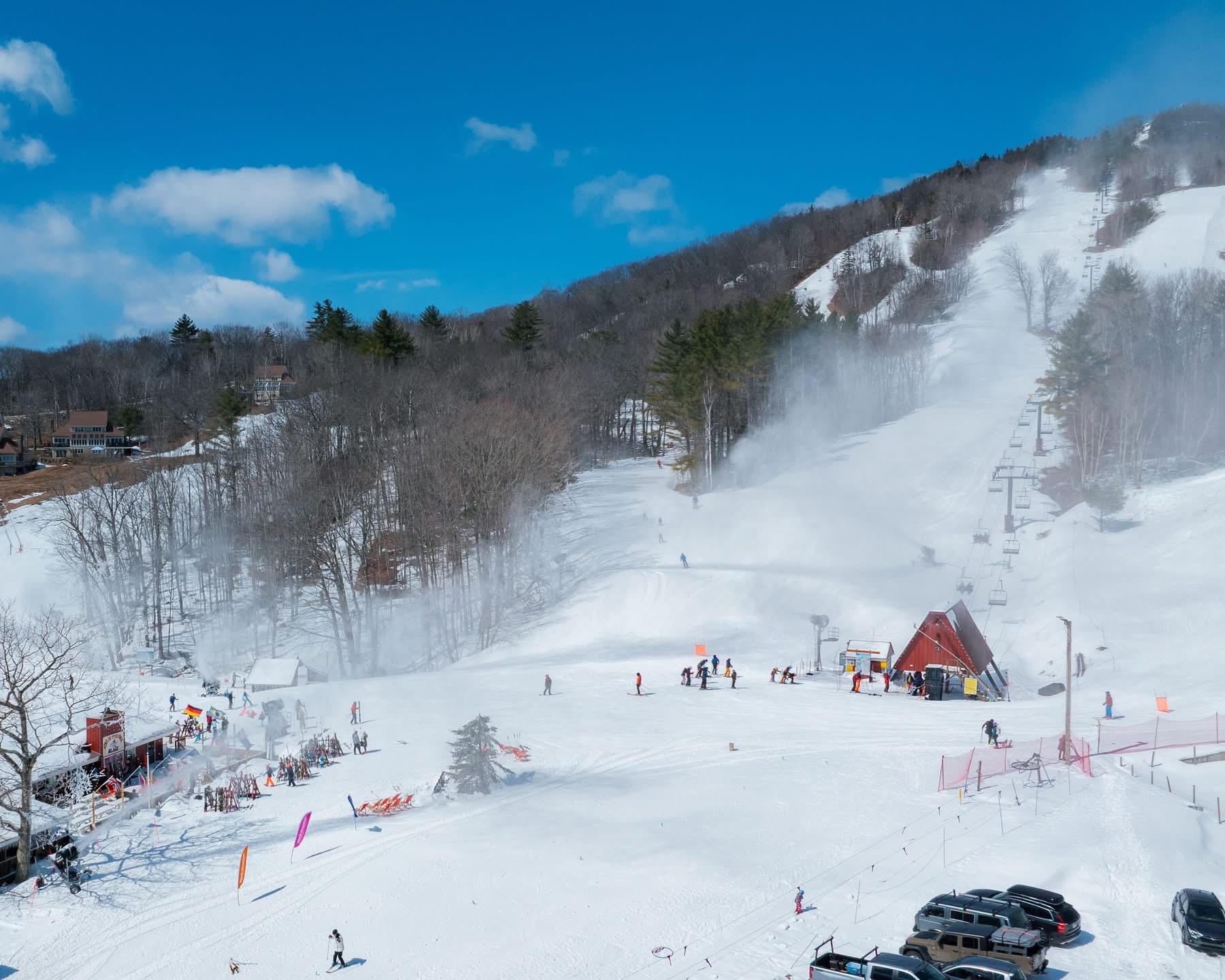
In March 2026, Mogensen announced he was buying out his shareholders and retaining full ownership, and that both Indy Pass and Entabeni Systems would be relocating their headquarters from Colorado to Jackson, New Hampshire. The mountain that almost died is now a hub for ski industry innovation. At a standing-room-only community meeting, he told the room: “This place needs to be owned by the people that are in this room. Period.”
That’s not a corporate strategy. That’s a love language.
What Boyne and Sunday River Management Need to Hear
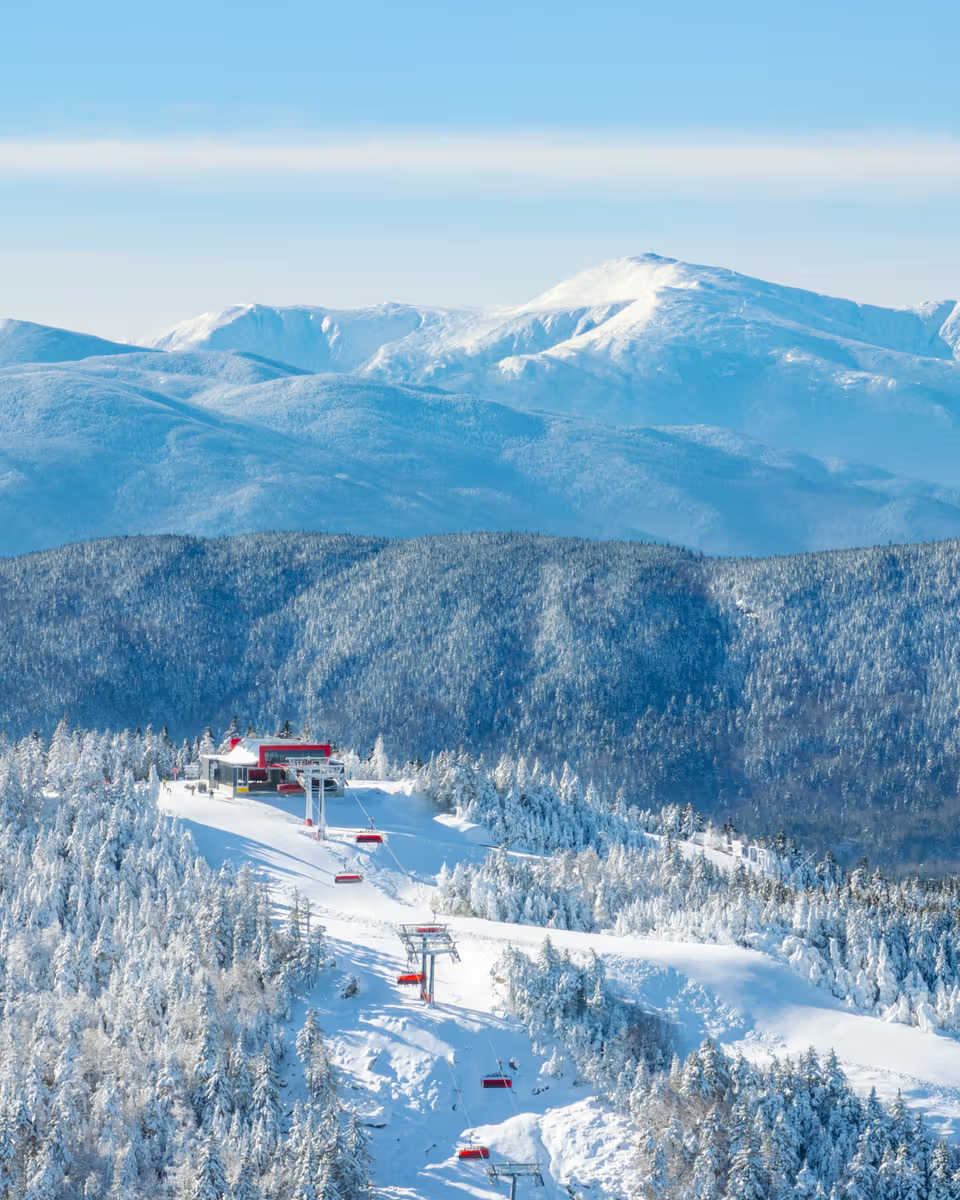
I want to be fair here. Boyne is not a villain. The Kircher family has kept their company independent and family-owned for nearly 80 years, which in the modern ski industry is a genuine achievement. They’ve invested real capital at Sunday River — the Jordan 8, the Barker 6, and now a new booster pumphouse for expanded snowmaking. That infrastructure matters.
But capital investment in lifts and snowmaking is the floor, not the ceiling. The ceiling is the culture — the feeling a pass holder gets when they arrive on a Saturday morning, whether the staff seem genuinely happy to be there, whether the mountain feels like it’s being operated for its guests or for its operator, whether management is listening or just reacting.
The spring operations apology this week was a good moment. It showed awareness that something went wrong, and a willingness to say so. But the question is whether that awareness gets institutionalized — whether Sunday River builds feedback loops that catch these missteps before they become public embarrassments — or whether it’s a one-off correction quickly forgotten.
Here is what I’d ask of Boyne and Sunday River management, specifically:
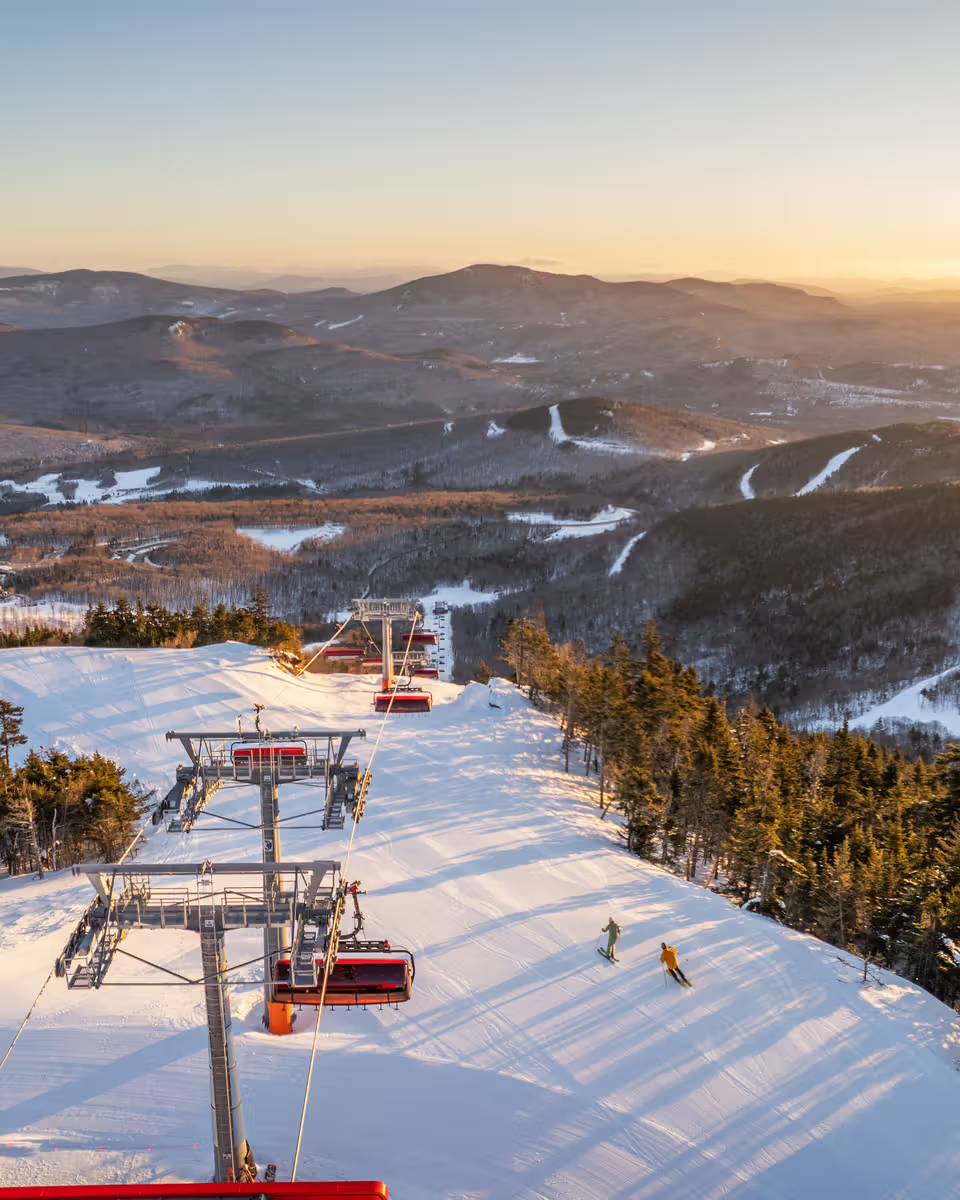
Hold town halls. Real ones, like Killington did. Invite pass holders and homeowners to actually ask questions and get real answers — not polished corporate responses. Do it every season. Let it be slightly uncomfortable sometimes. That’s how you find out what matters before it becomes a problem.
Invest in the people who keep guests safe. The ski patrol unionization effort is a message. You don’t have to like unions to hear it. Pay your patrol fairly, develop them professionally, and make Sunday River the kind of place where the best patrol candidates in New England want to work. Their quality directly affects your guests’ safety and experience.
Think about spring like it’s opening day. Spring at Sunday River used to be a badge of honor — the snowmaking giant that kept skiing deep into April while everyone else closed. Don’t give that identity away. Pass holders who are there in March and April are your most loyal customers. Treat the end of the season like a celebration, not a wind-down.
Fix the crowding experience. Not by selling fewer passes — that ship has sailed — but by managing the mountain smarter on peak days. Dynamic lift assignments, better queue management, terrain routing that spreads skiers across the mountain. This is solvable with operational creativity.
Talk to us. Not through press releases. Actually talk to the community of people who’ve built their winters around this mountain. That community is your biggest competitive asset, and right now it’s feeling a little underappreciated.
The Mountain Is Still Great — Let’s Keep It That Way

I’ll end where I started. I love Sunday River. I bought property there because I believe in the mountain, the community, and the Western Maine landscape. When the snowmaking is firing and the corduroy is perfect and the sun is coming up over White Cap on a midweek morning with three runs to yourself — there is nowhere else on earth I’d rather be.
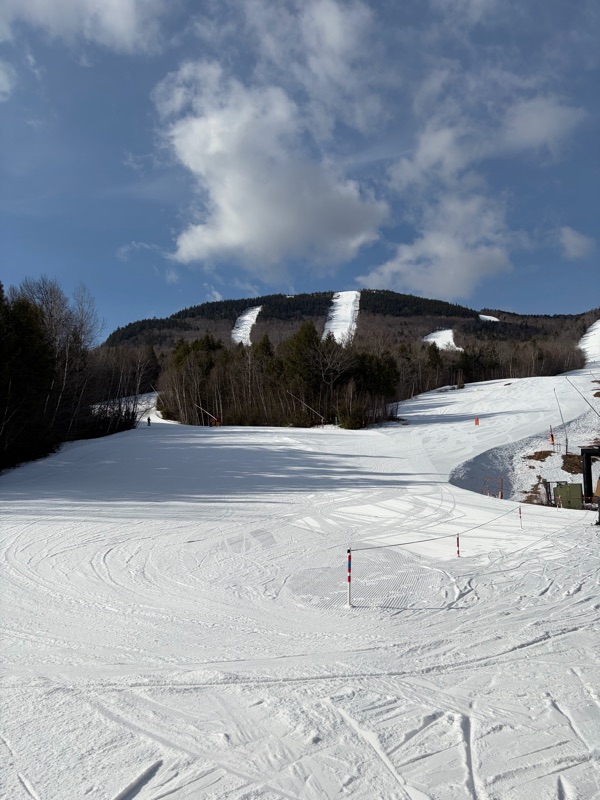
But great ski mountains don’t stay great by accident. They stay great because the people running them remember why the mountain matters to the people who love it. Killington just proved you can fall asleep and wake up again. Black Mountain just proved that passion and community connection can work miracles with limited resources.
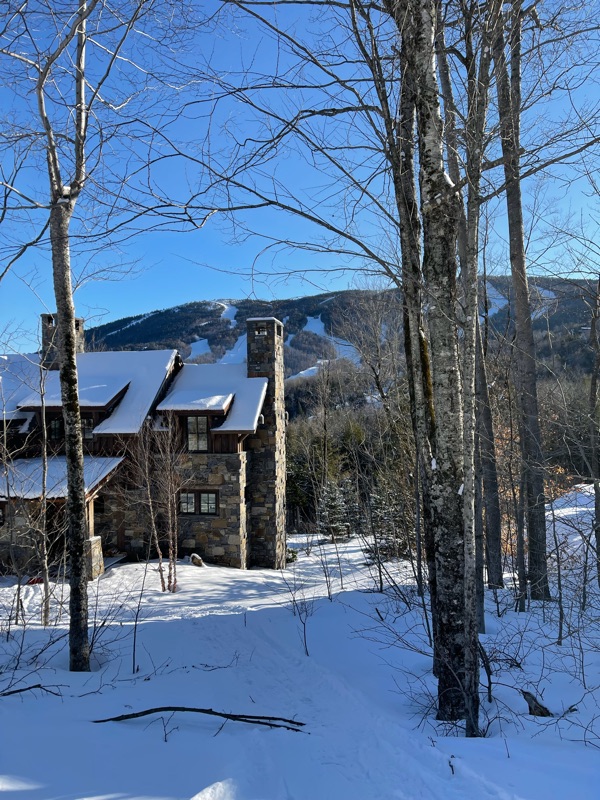
Sunday River has the resources. The infrastructure is strong. The bones are extraordinary. What it needs now is a renewed commitment to the people on the hill — the skiers, the patrol, the staff, the homeowners, the community that shows up every winter and calls this place home.
I’m still here. I’m buying my pass again next fall. I’ll be on White Heat in January like I always am.
But I’m watching. And so are a lot of other people who love this mountain and want to see it be everything it’s capable of being.

Daniel Kaufman
Sunday River, Newry, Maine
About the Author
Daniel Kaufman is a real estate developer and investor focused on multifamily housing, mixed-use development, and workforce and affordable housing communities across New England and beyond. He is the principal of Kaufman & Company and co-founder of Convivium Living LLC, with active projects spanning Maine, the broader New England market, and across the country. His work covers the full lifecycle of development — from land acquisition and planning through construction, capital raising, and long-term operations.
He is also a Sunday River pass holder, property owner in Western Maine, and an avid skier who spends as much time as possible in mountain communities — which, not coincidentally, is where many of his best ideas about livability, design, and what people actually want from a place tend to originate.
Daniel writes candidly about real estate, development, community, and the intersection of business and lived experience. His perspective is grounded in firsthand work rather than theory, and he believes the best ideas in any industry come from the people closest to it — the builders, the residents, the pass holders, and the locals who show up every season and call a place home.
Learn more at danielkaufman.info or follow along at @danielkdevelops


Comments
Post a Comment