Maine Just Shot Itself in the Foot — And Called It a Win

Posted by Daniel Kaufman | April 2026
Let me be direct: LD 307 — Maine’s new moratorium on data center construction — is one of the most economically self-destructive pieces of legislation this state has passed in a generation. And I say that as someone who has spent years fighting for economic opportunity across this state’s forgotten mill towns, mountain communities, and post-industrial corridors.
Maine just became the first state in the country to ban the construction of data centers larger than 20 megawatts. That ban runs until November 2027. The stated goal is to give the state time to “study” the potential energy impacts. The actual result? We just hung a “Closed for Business” sign on the door — and every competing state is already circling our opportunities like vultures.
I have skin in this game. We have multiple micro data center projects in active planning stages across the state of Maine. Projects that would have brought hundreds of construction jobs, permanent technology jobs, and serious property tax revenue to communities that desperately need all three. Those projects now face an existential question: do we wait out an 18-month politically-driven moratorium, or do we take our capital, our partners, and our jobs to New Hampshire, Vermont, or beyond?
What the Law Actually Does

LD 307 prohibits any municipality, state agency, or quasi-independent state entity from accepting applications for — or issuing — any permit, certificate, or other approval for the development, construction, or operation of a data center with a load of 20 megawatts or more. Anywhere in Maine. Until November 2027.
It also creates the Maine Data Center Coordination Council, which is tasked with submitting recommendations to the Legislature by February 1, 2027. That council will evaluate ratepayer impacts, grid reliability, environmental factors, and economic development considerations.
Here’s the problem: you don’t ban the industry first and study it second. That’s not caution — that’s cowardice dressed up as prudence.
The Real Fear vs. The Real Data

Proponents of the ban lean hard on one argument: electricity prices. Maine already has some of the highest electricity rates in the country, and the fear is that energy-hungry data centers will push those rates even higher for working-class residents.
That’s a legitimate concern worth taking seriously. But the data doesn’t support a blanket ban as the remedy.
A recent study by the Institute for Energy Research found no correlation between data center concentration and higher residential electricity prices. In fact, states with the most data center activity — Virginia, Texas, Georgia — have not seen their residential rates spike as a direct result. What does drive high electricity prices? Over-reliance on expensive renewable mandates and the retirement of affordable baseload generation — exactly the energy policy choices Maine has been making for years.
And here’s the kicker that legislators apparently glossed over: when more commercial and industrial users pay into the grid, the fixed infrastructure costs get spread across a larger base — which reduces the per-unit cost burden on residential ratepayers. Business opposition to this bill made exactly that argument, and it was ignored.
The Jobs That Just Left the Room
Let’s talk about what was actually on the table.

In Jay, Maine — a former mill town that has been economically hollowed out for decades — a data center was set to begin construction this summer. That project is now frozen. In Sanford, another project is dead in the water. State Senator Matt Harrington said the moratorium could cost his district alone 100 long-term jobs by killing a 100–300 megawatt facility that had already purchased land and planned its own power supply.
A developer proposed a $415 million underwater data center off the coast of Eastport, powered by tidal energy — a genuinely innovative project that would have been both economically and environmentally compelling. Gone.
And here’s what Republican lawmakers said on the floor during debate that deserves to be heard loudly: even if Maine passes this ban, the data centers will still get built. Just in other states. And Maine will still feel the grid pressure and energy costs from that national buildout — without getting any of the jobs, tax revenue, or economic development in return. We get all the downside and none of the upside. That’s not a policy. That’s a self-inflicted wound.
The Governor Tried to Stop This — And Got Overruled

Governor Janet Mills, to her credit, pushed for exemptions. She wanted carve-outs for specific communities — including Jay — where projects were already in advanced stages with real economic commitments on the table. The House voted that amendment down 115 to 29. In a legislature that claims to champion working people, 115 members just voted to kill jobs in some of the most economically distressed communities in New England.
Mills is now in a politically uncomfortable position. She’s running for U.S. Senate. Vetoing this bill means taking on the progressive wing of her own party. Signing it means watching economic opportunity walk out the door on her watch. That’s what happens when energy policy gets captured by fear-based politics rather than evidence-based planning.
What This Means for Developers Like Us

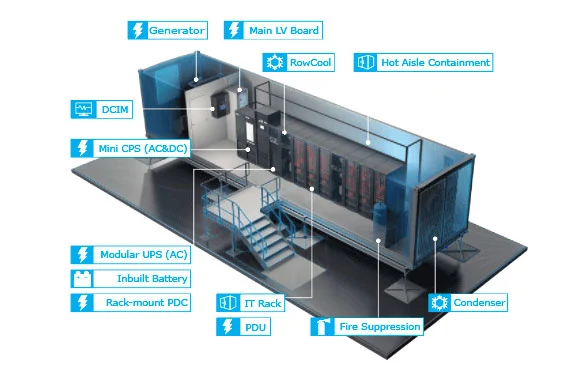
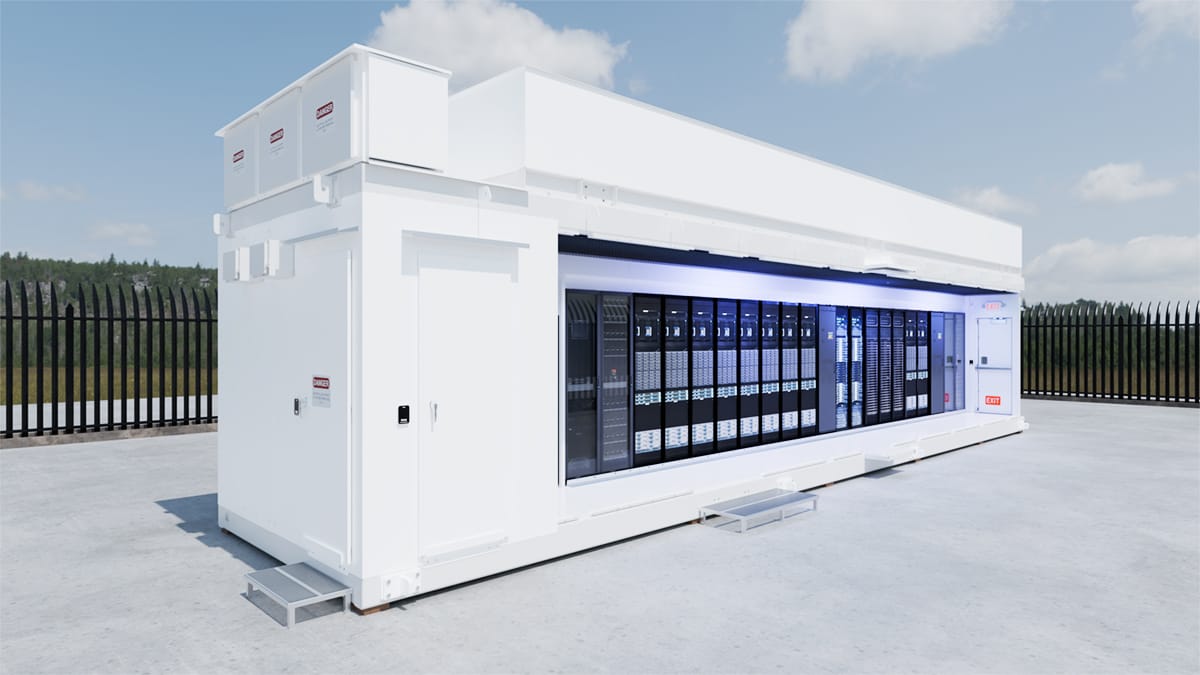
I’ll be direct about our situation. We have been actively developing plans for micro data center projects in Maine — the kind of smaller-scale, community-integrated facilities that could be transformative for towns that have been waiting decades for the next economic engine to arrive. These aren’t hyperscale monster facilities. These are thoughtful, right-sized projects designed to work with local communities and grid infrastructure, not overwhelm them.
With LD 307 now heading toward the Governor’s desk, we are actively evaluating our options. That evaluation is straightforward: if Maine’s government won’t allow us to build, other states will. New Hampshire doesn’t have this ban. Neither does Vermont, despite similar bills being introduced there. Neither does Massachusetts, Connecticut, or any other New England state — yet.
The capital doesn’t disappear. The demand for data infrastructure doesn’t disappear. The jobs don’t disappear. They just go somewhere else. And every month this moratorium is in effect is a month that competing states are locking in the relationships, infrastructure investments, and workforce pipelines that Maine is turning away.
The Deeper Problem: Maine’s Reflexive Anti-Development Instinct
This data center ban doesn’t exist in a vacuum. Maine is also one of the last states in the country that still bans nuclear reactors. Maine voters blocked a power line that would have connected New England’s grid to Quebec’s massive hydroelectric system — clean, cheap, abundant power — because of local opposition. And now Maine is banning data centers.
There is a pattern here. Every time meaningful economic infrastructure arrives at Maine’s door, a coalition of fear-based opposition materializes to stop it. The stated reasons change — it’s always energy, or environment, or character-of-place — but the outcome is always the same: Maine falls further behind.
I love this state. I have property here. I ski here. I’ve staked significant professional and financial capital on the belief that Maine’s small cities and rural communities can be economically revitalized. But you cannot revitalize an economy that reflexively refuses the investment it needs to grow.
What Good Policy Would Look Like
A moratorium is a blunt instrument. Intelligent regulation would accomplish every legitimate goal lawmakers have without shutting the door entirely:
Energy Impact Standards. Require data centers above a certain size to demonstrate grid neutrality — either through on-site generation, energy storage, or direct power purchase agreements tied to new renewable capacity additions.
Community Benefit Agreements. Mandate structured agreements between data center developers and host communities — covering local hiring minimums, infrastructure contributions, and utility rate protections for residential customers.
Environmental Review. Require rigorous water use and thermal impact assessments as part of the permitting process, with binding mitigation requirements.
Tiered Permitting. Create an expedited pathway for smaller micro data centers — say, under 50 megawatts — that can demonstrate compliance with energy and environmental standards without facing the same scrutiny as a hyperscale Amazon or Google facility.
These are real policy tools. Other states are developing them. Maine chose to skip the work and just say no.
Bottom Line
Maine just told the data center industry — and the hundreds of developers, investors, and employers connected to it — that the state is not ready to do business. That message will be received, and it will be acted upon.
Our micro data center projects will find a home. The only question is whether that home is in Maine or in a state that actually wants the jobs, the tax revenue, and the economic momentum that comes with them.
To Maine’s legislators who voted for this ban: you didn’t protect your constituents. You protected them from an opportunity they badly needed.
The race for AI infrastructure is happening right now, at full speed, globally. Maine just called a timeout. Everyone else kept running.

Daniel Kaufman is the founder and managing director of Kaufman & Company, a real estate development and investment firm with active projects from Maine to California. He is a co-founder of Convivium Living.
Follow me on Instagram: @danielkdevelops
Learn more: www.danielkaufman.info
Stay dangerous.


Comments
Post a Comment