New Hampshire’s Housing Boom Is Real — But As a Developer on the Ground, I See the Reality Behind the Numbers
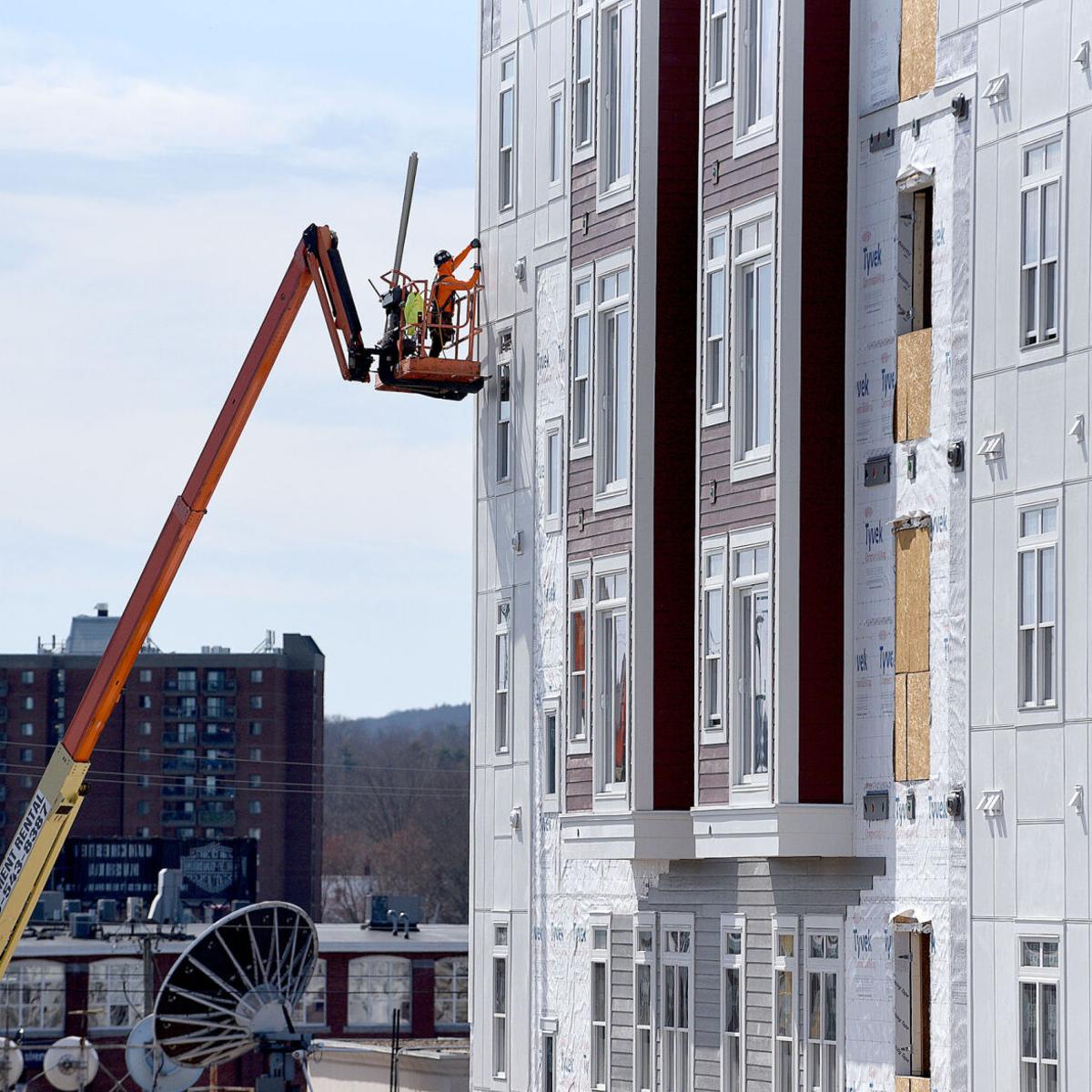
As someone currently developing apartments and townhomes in Southern New Hampshire, I can tell you the headlines about a housing construction boom only tell part of the story.
Yes, permitting is up. Yes, more units are coming. But the real question investors, developers, and policymakers should be asking is this:
Is it enough?
From what I see on the ground as both a real estate developer and long-term investor, the answer is still no.
The Permitting Surge Is Real — But the Supply Gap Is Bigger
New Hampshire issued permits for 5,822 housing units in 2024 — the most since 2005, reflecting a meaningful push to address supply shortages. Since 2020, housing stock has expanded by roughly 26,000 units, one of the strongest building cycles the state has seen in decades.
But even with this progress, the state remains tens of thousands of units short of what’s needed for a balanced market.
Estimates suggest New Hampshire still needs:
- Over 32,000 additional units just to stay on track
- Approximately 88,000 total new homes by 2040
- Roughly 62,000 more units beyond current construction pace
This is the key point:
Even during a building boom, New Hampshire is still under-supplied.
And that’s exactly why I continue building rental housing here.
What I’m Seeing as a Developer Building Rentals Today
While economists talk about supply pipelines and policy initiatives, developers deal with reality:
- Labor shortages
- Construction costs
- Financing constraints
- Zoning restrictions
- Local approval risk
- Infrastructure limitations
Despite improvements in permitting efficiency, these constraints still slow delivery of new housing.
From my perspective developing rental apartments and townhomes, the biggest constraint isn’t demand.
It’s execution.
Rental Demand Remains Extremely Strong
The rental side of the market continues to show exactly why multifamily development remains attractive.
New Hampshire’s rental vacancy rate has remained well below what economists consider a balanced market (about 5%), signaling persistent undersupply. Some estimates placed statewide vacancy near 4% in 2024, still tight by historical standards.
In some periods and unit types, vacancy has been dramatically lower, reflecting just how constrained the rental market has been.
At the same time:
- Rents have risen significantly since 2019
- Demand continues to be driven by job growth and migration
- Renting often remains cheaper than owning
From an investor perspective, this creates a simple reality:
Demand for well-located rental housing remains structurally strong.
Why Developers Like Me Are Building Rentals Instead of Condos
From a capital allocation standpoint, rental housing currently offers a more rational risk profile than for-sale housing in many parts of New Hampshire.
Key reasons include:
1. Affordability pressures favor renting
High home prices (median listings around the mid-$500k range) continue pushing households toward renting.
2. Demographic demand
Population growth and employment expansion continue supporting renter demand.
3. Supply shortages still exist despite new construction
Even with increased development, the state still needs tens of thousands more units.
4. Long-term income stability
As an investor, I look at durable cash flow, not just exit pricing.
This is why my own development focus includes rental apartments and townhomes designed for long-term ownership.
The Labor Shortage Nobody Talks About Enough
One of the biggest hidden constraints I see as a builder is workforce availability.
New Hampshire has one of the oldest populations in the country, which creates a shortage of skilled trades needed to build housing.
This is not just a housing issue.
It’s an economic competitiveness issue.
Without workforce housing:
- Employers struggle to attract talent
- Young workers relocate elsewhere
- Economic growth slows
Housing supply and labor supply are directly connected.
Developers understand this because we see it every day.
Zoning Still Drives Cost More Than Most People Realize
Another reality rarely discussed outside development circles:
Zoning still quietly drives housing affordability.
Minimum lot sizes, density restrictions, and approval timelines all impact the cost structure before construction even begins.
When density is restricted:
- Land cost per unit rises
- Infrastructure cost per unit rises
- Financing risk rises
- Final rents or sale prices rise
In other words:
Policy decisions directly affect affordability outcomes.
What Smart Investors Should Be Watching
From where I sit as both a builder and investor, the real opportunity is not in chasing headlines.
It’s in understanding fundamentals.
In 2026, the developers and investors who will win are focusing on:
- Entry basis discipline
- Supply pipelines
- Rental demand durability
- Financing structure
- Margin of safety
- Long-term hold strategies
This is exactly how I am approaching my own projects today.
Not speculation.
Not hype.
Execution.
The Reality Behind the Housing Narrative
The narrative says:
New Hampshire is building a lot of housing.
The reality says:
We still aren’t building enough.
And from someone actively developing projects right now, I can say confidently:
Well-underwritten rental housing remains one of the most rational long-term investments in this market.
Because despite the headlines:
Demand is still there.
Supply is still short.
And disciplined developers are still needed.
About the Author

Daniel Kaufman is a real estate developer and investor focused on multifamily housing and residential development. He is currently developing apartment and townhome communities in Southern New Hampshire and invests in markets where supply constraints and strong fundamentals create long-term opportunity. His work focuses on disciplined underwriting, risk management, and building housing aligned with real market demand rather than market narratives.


Comments
Post a Comment