Is 2026 Finally the "Year of the Housing Factory" in California?
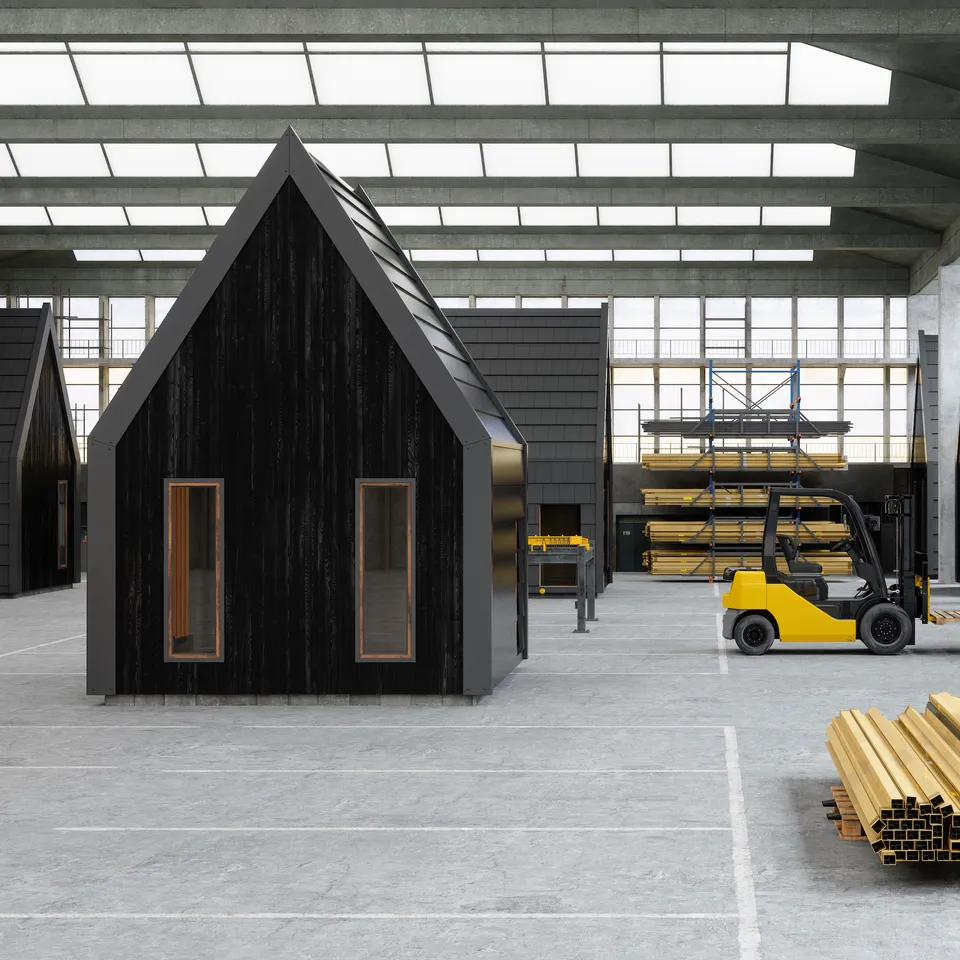
If you’ve been following my blog for a while, you know I’m obsessed with one thing: finding a better way to get more people into homes. We’ve been talking about the California housing crisis for decades, but the solution always seems to be stuck in the same slow, expensive mud of traditional construction.
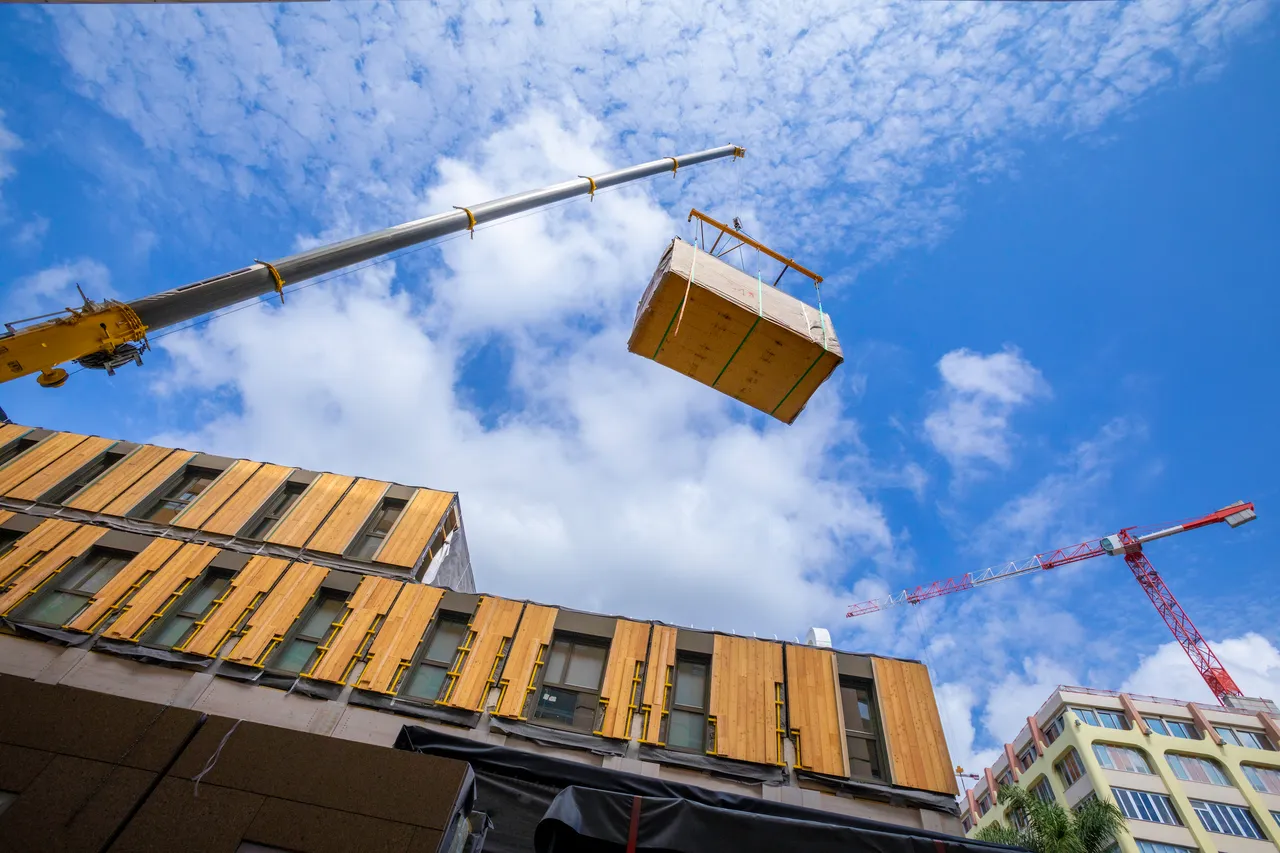
Lately, there’s a buzz in Sacramento that feels a bit like back to the future. State legislators, led by Assemblymember Buffy Wicks, are making a hard push to make 2026 the Year of the Housing Factory. But before we get too excited, let’s keep it real—we’ve heard this "revolution" story before.
The Ghost of Housing Past
Back in 1971, George Romney (HUD Secretary at the time) predicted that within a decade, two-thirds of all U.S. housing would be industrialized. He was standing in front of a factory-built home in Michigan that looked like "a boxcar with picture windows."
Fast forward five years: the federal money ran out, the vision tanked, and the dream of the factory-built house was declared dead. Again. From the 1620s to the spectacular $2 billion collapse of Katerra in 2021, the road to modular housing is littered with companies that tried to "disrupt" the industry and went bust.
Why This Time Feels Different (The "Henry Ford" Logic)
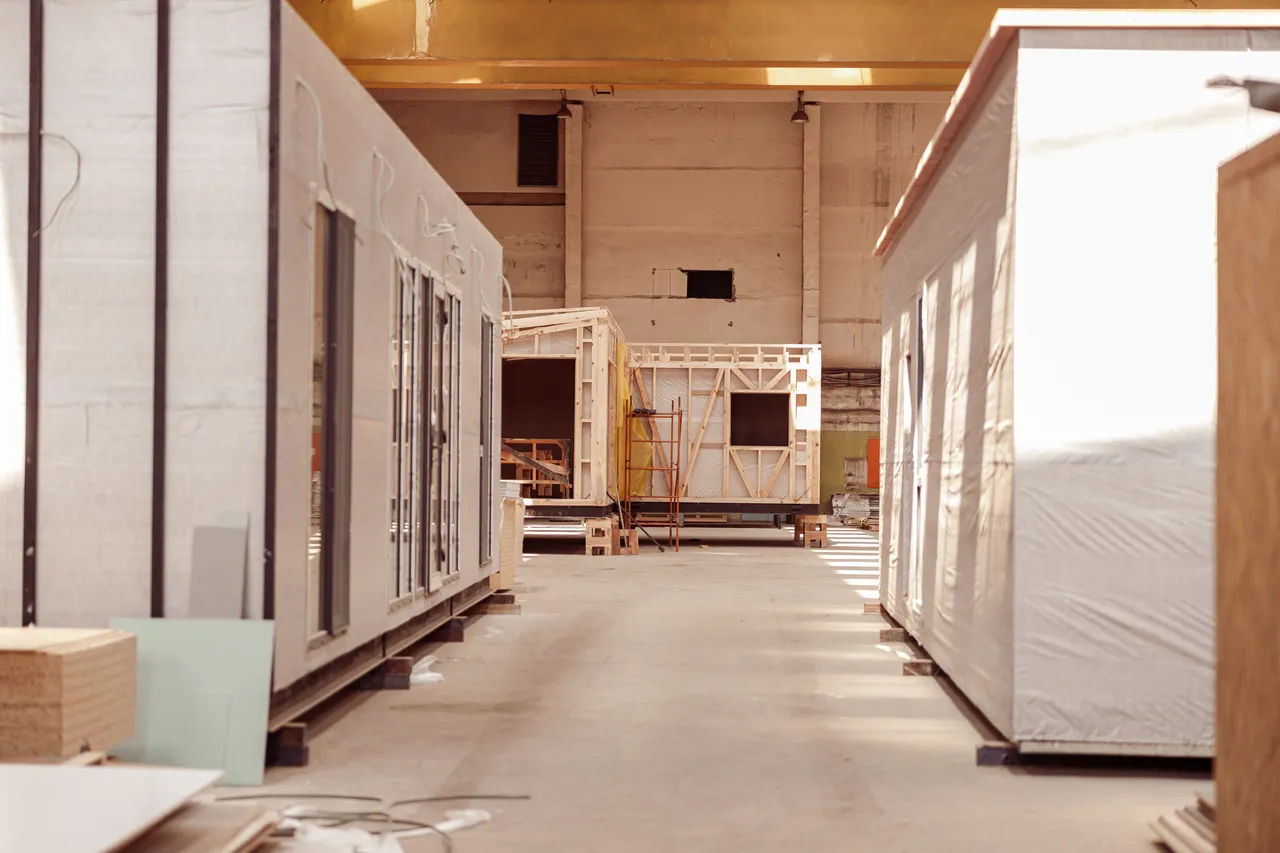
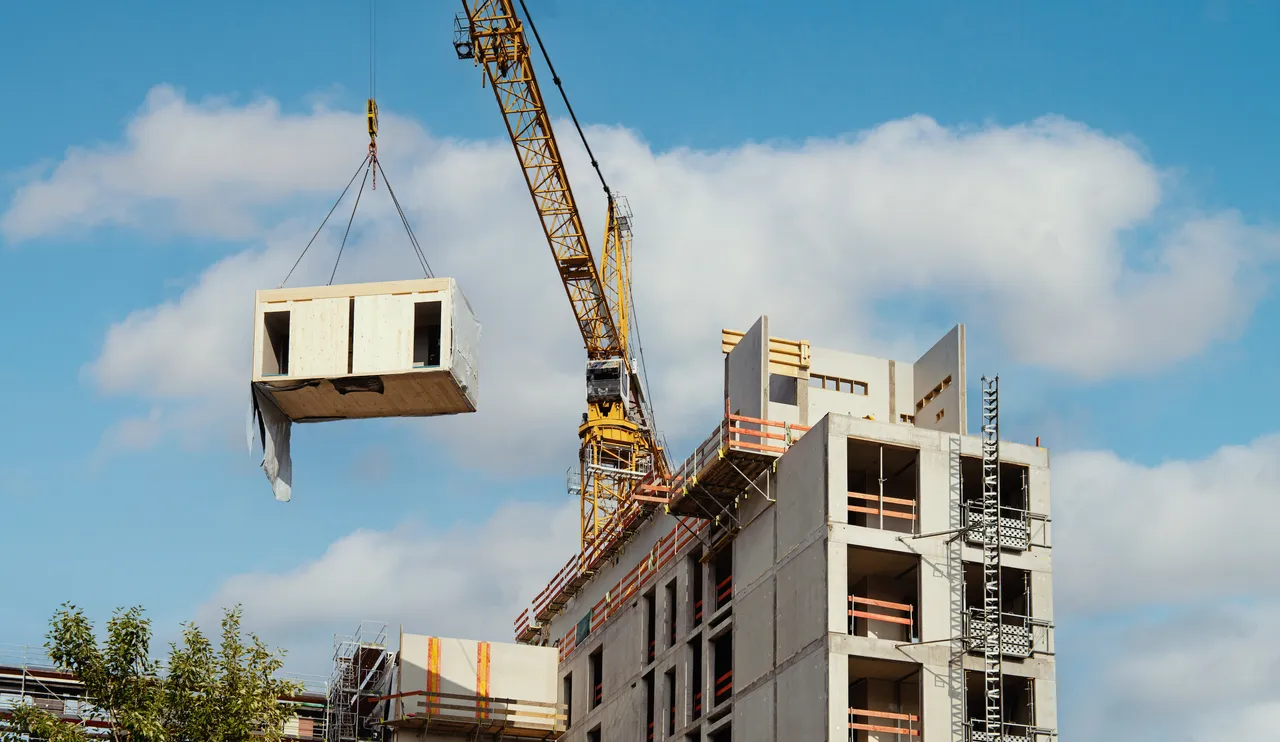
So, why am I—and the state of California—actually optimistic this time? It’s about productivity. Think about it: when you buy a car, you don't have 6,000 parts shipped to your driveway for a mechanic to assemble in the rain. Yet, that’s exactly how we build houses. While every other industry has gotten faster and cheaper thanks to technology, construction productivity has actually declined since the 1970s.
The Factory Advantage:
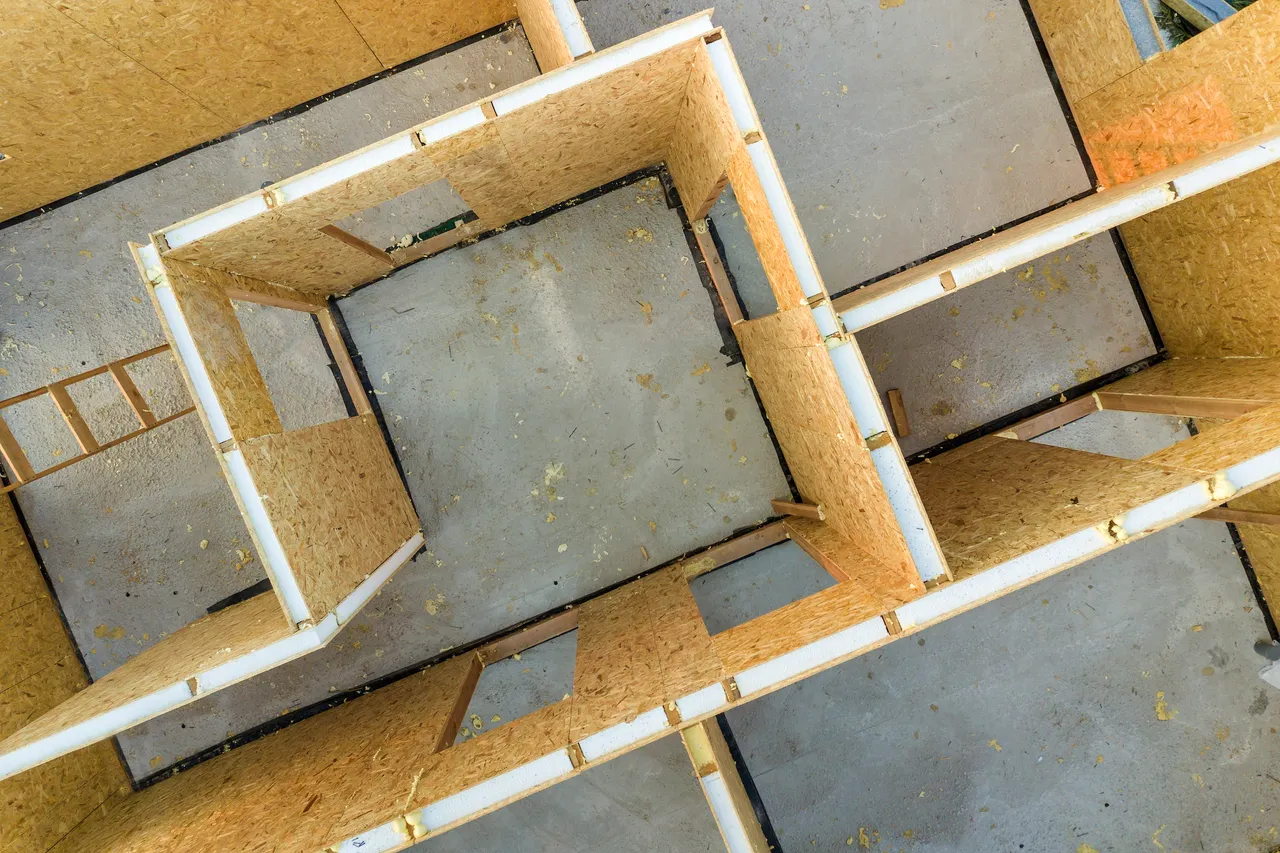
Speed: Off-site construction cuts timelines by 10% to 30%.
Cost: We’re looking at potential savings of 10% to 25% on hard costs.
Efficiency: You don't have to wait for the foundation to set before you start framing the bedrooms. Everything happens at once in a controlled environment.
How We’re Solving This at Oldivai
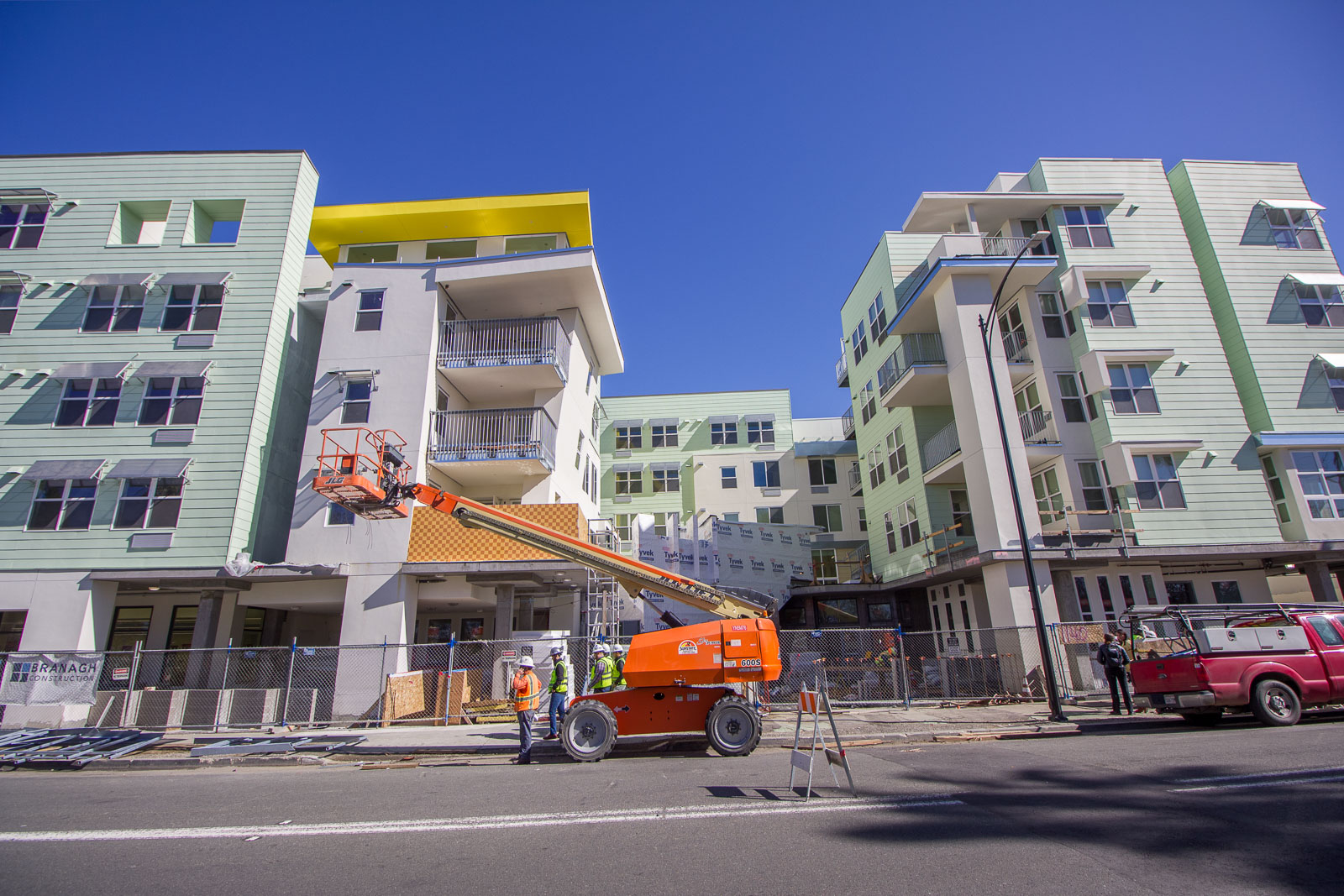
This is exactly why I’m so focused on what we’re doing at Oldivai. We aren't just waiting for the state to pass bills; we are actively leaning into an industrialized construction platform that merges modular housing, mass-timber solutions, and AI-enabled project delivery.
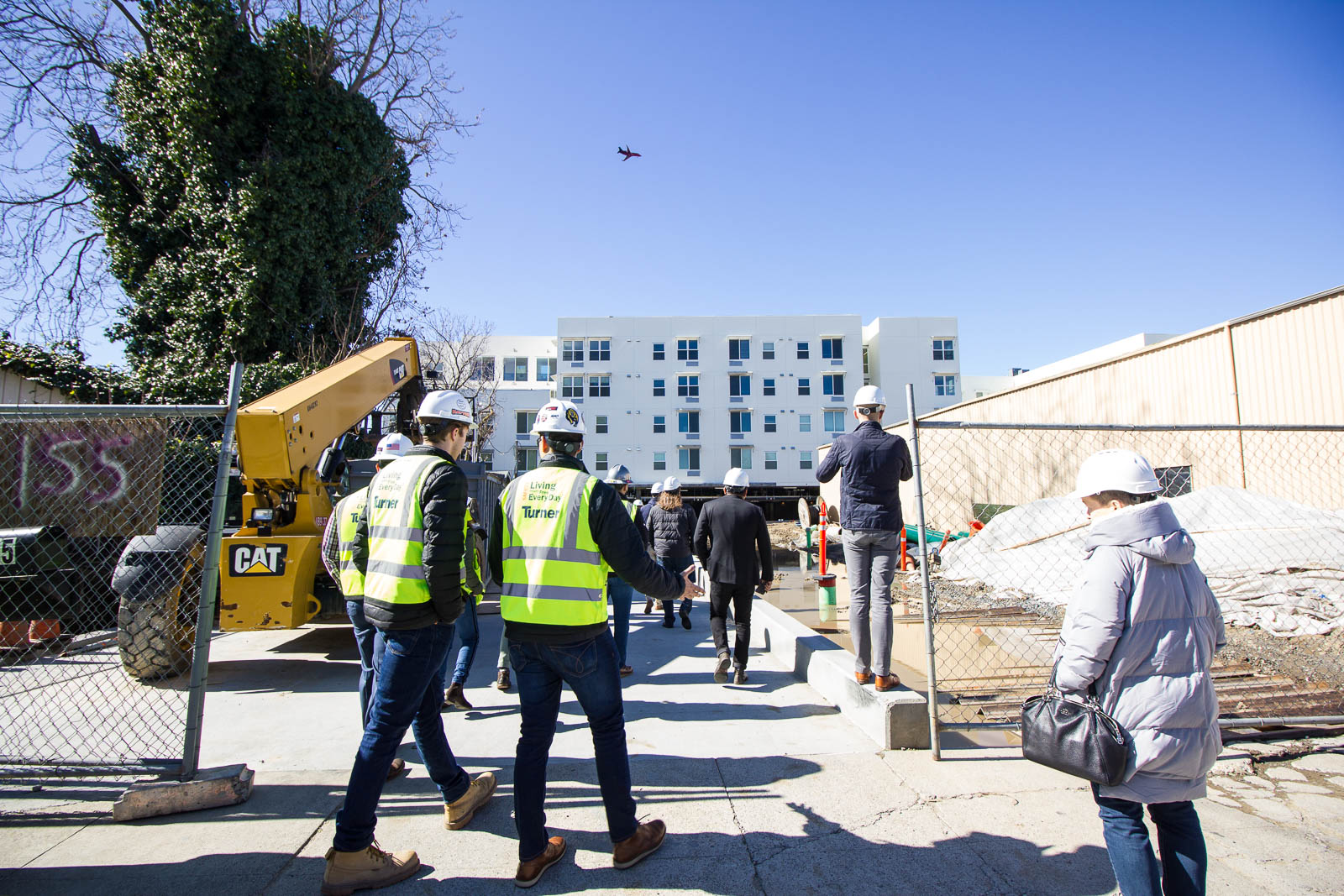
We’ve already proven the concept with Project Zero (Oldivai on 31st), our 10-unit multifamily pilot. By treating housing as a "kit-of-parts," we were able to:
Set the modules in just 4 days.
Reach 80% completion (interiors, mechanical, and finishes) before the units even left the factory.
Slash the total timeline to 310 days—groundbreaking to completion in under a year.
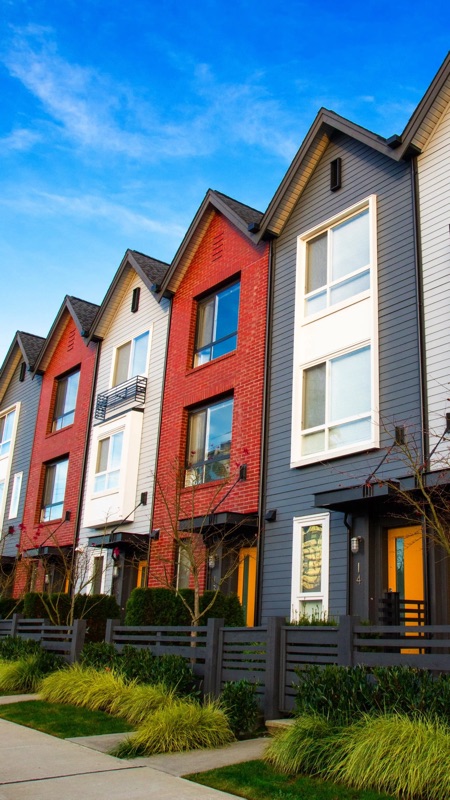
At Oldivai, we use Lean Six Sigma methodologies to tackle the "missing middle"—workforce housing for the teachers, first responders, and healthcare workers who make our communities run but often can't afford to live in them. By using templated designs and climate-controlled manufacturing, we sidestep the weather delays and labor shortages that kill traditional projects.
The Road Ahead
Assemblymember Wicks isn't trying to fund the factories directly; she’s trying to create a streamlined environment so these units can actually get built without the usual red tape.
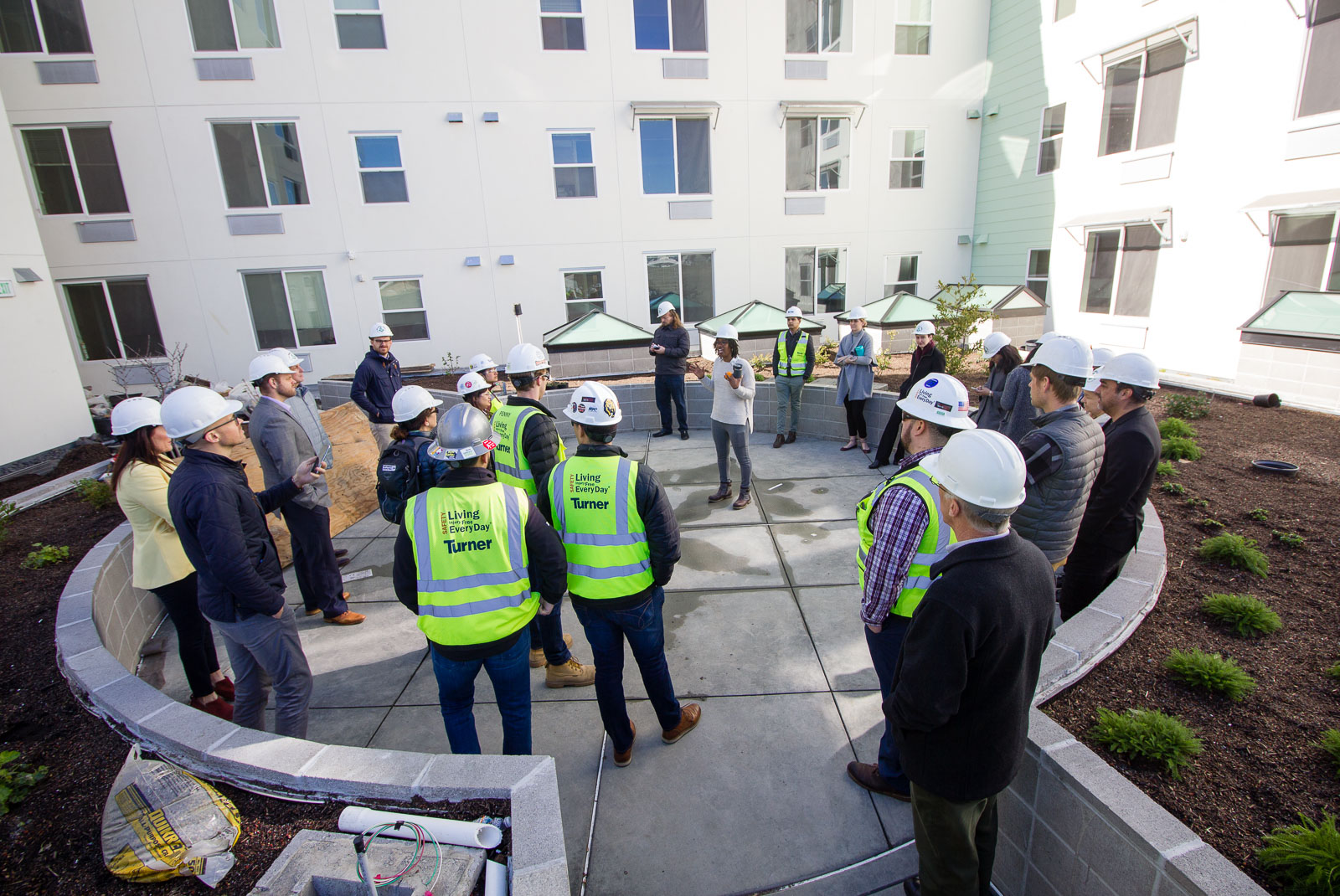
Is factory-built housing a silver bullet? Probably not. But in a state where the average construction worker adds about as much value today as they did in 1948, we can’t afford not to innovate.
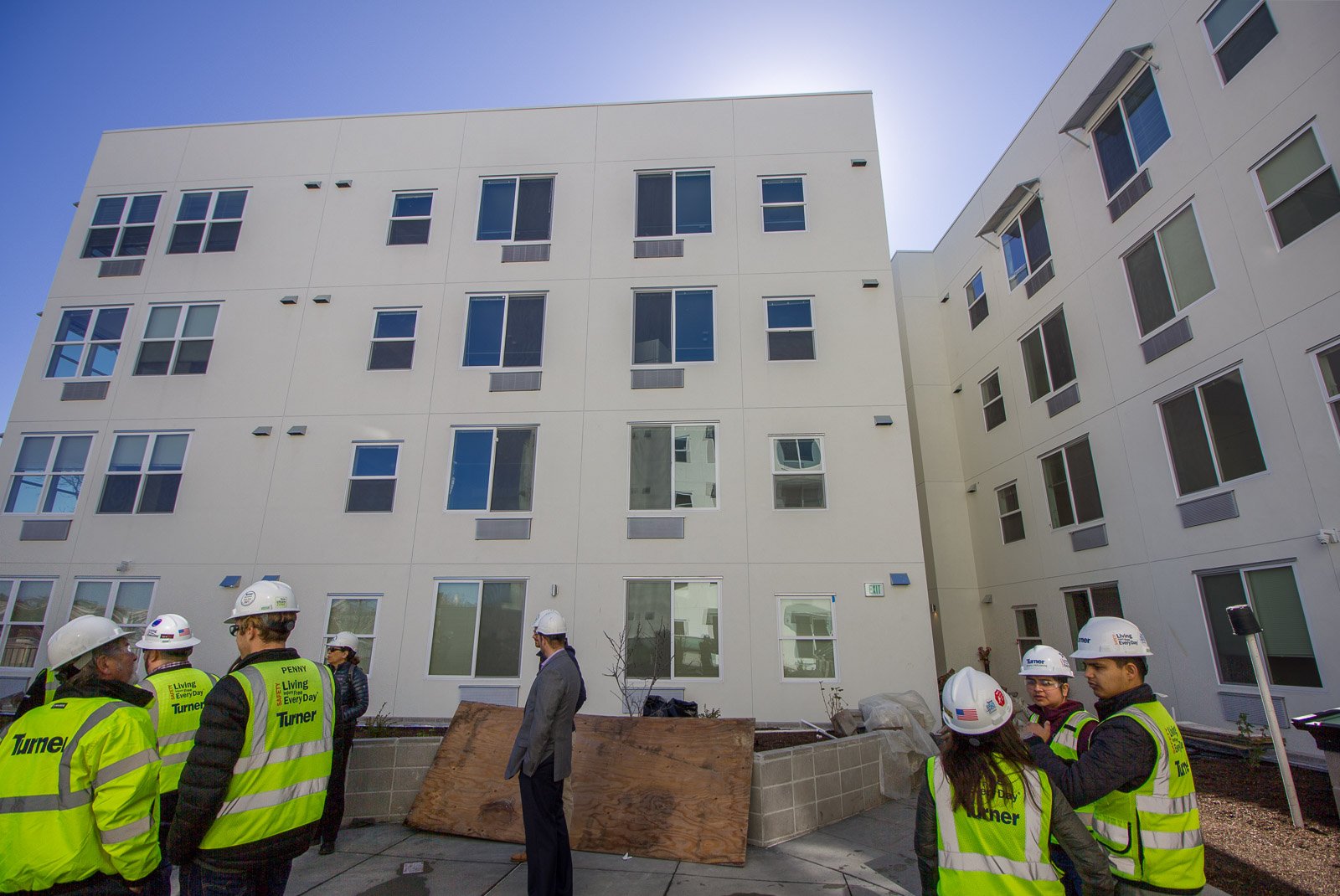
Whether it's through legislative shifts in Sacramento or the tech-driven, AI-integrated development we’re pushing at Oldivai, the goal remains the same: Build faster, build smarter, and build for the people who need it most.
What do you think? Would you live in a "factory-built" home if it meant a smaller price tag and a faster move-in date? Drop a comment below or visit us at Oldivai.com to see how we’re scaling the future of housing.


Comments
Post a Comment