Why "Busy" Isn't the Same as "Profitable": Solving the Modular Customization Crisis
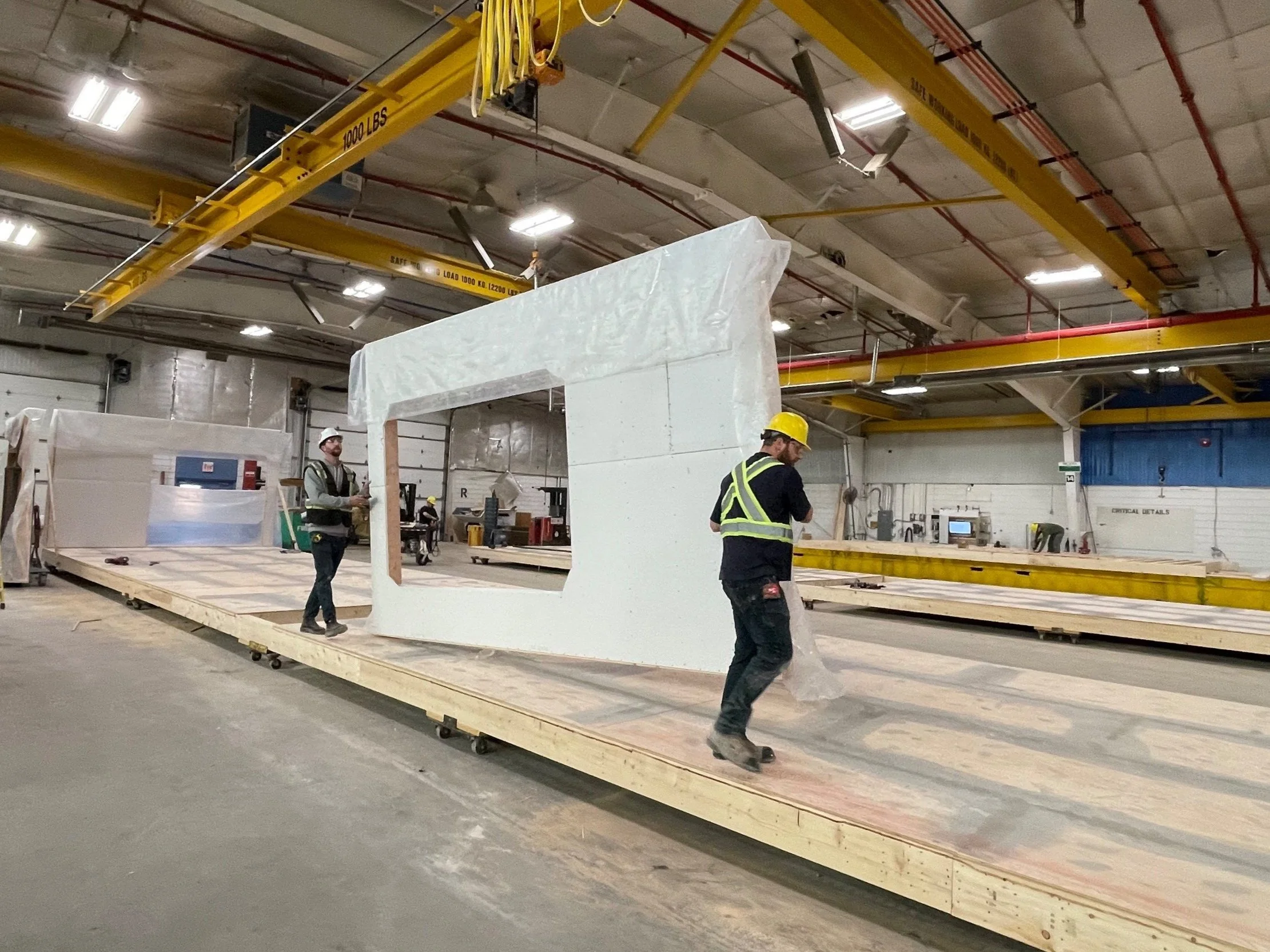
Every modular factory I know says they understand the difference between standardized builder homes and bespoke, one-off projects. But when you look closely at how many factories actually cost those homes, a different story emerges.
On paper, bespoke homes often get priced like standard models—same labor assumptions, same overhead logic, same margin expectations. The only difference? A few extra line items and a little extra contingency.
That’s not strategy. That’s wishful thinking with a calculator.
Let’s talk honestly about why this confusion quietly drains profits and why the industry at large continues to struggle with the promise of "efficient" modular building.
The Standardized Sweet Spot
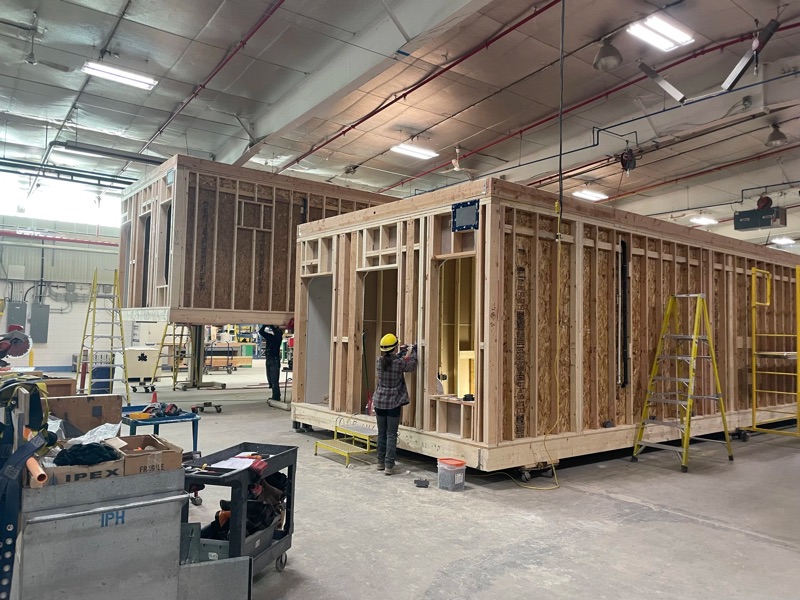
Standard builder models are the backbone of profitable modular factories for one simple reason: predictability.
They move smoothly through production because the engineering is complete, details are known, materials are stocked, and crews repeat the same tasks. When you cost a standard modular home, you’re costing certainty. You know how long it takes and where the problems hide because you’ve built it dozens of times.
Factories don’t make money because the homes are simple; they make money because the system is stable.
The Bespoke Burden: Why the Industry is Struggling
The moment a home becomes bespoke—driven by a custom client or a unique architect—that stability vanishes. Despite the hype around modular as the "future of housing," much of the industry remains stuck in a cycle of diminishing returns.
According to recent industry research and McKinsey reports, construction productivity has grown at a fraction of the rate of other sectors. Why? Because most modular players try to be "all things to all people." They treat the factory as a glorified, indoor job site rather than a high-precision manufacturing plant.
When customization creeps in:
Engineering costs skyrocket: Every "small change" requires new shop drawings and approvals.
Supply chain friction: Unique materials mean specialized orders and delivery delays.
Production rhythm breaks: Instead of a flow state, workers are constantly stopping to read new blueprints, leading to the "busy but not making money" trap.
Without a fundamental shift in how we design and deliver these projects, modular will continue to struggle against high initial investment costs and the "customization tax."
The Oldivai Way: Redefining Efficiency with Project Zero
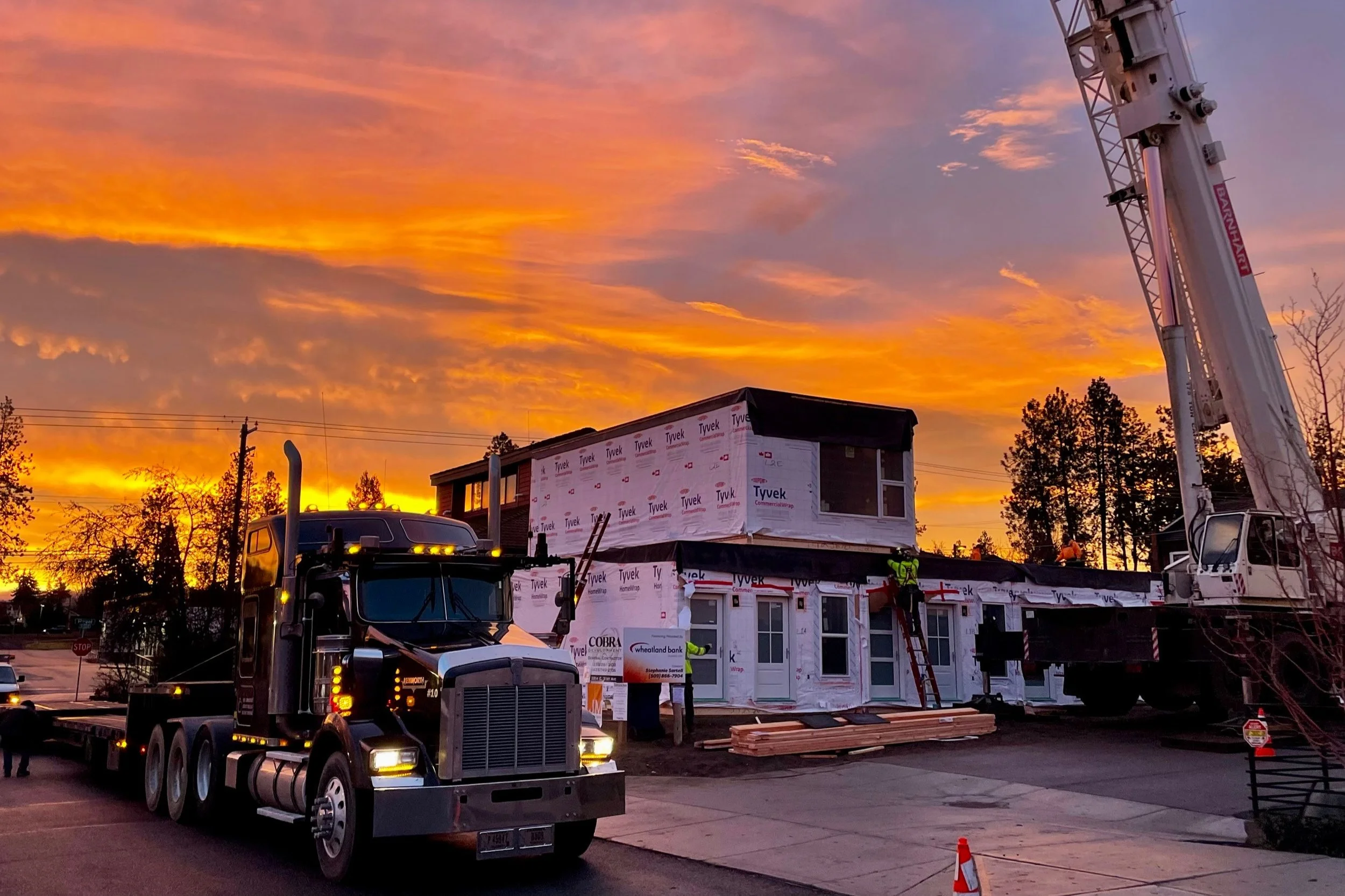
At Oldivai, we realized that to solve the housing crisis, we couldn't just build faster; we had to build smarter. We had to bridge the gap between "standardized" and "livable" by utilizing Lean Six Sigma manufacturing methodologies.
Our answer is Project Zero.
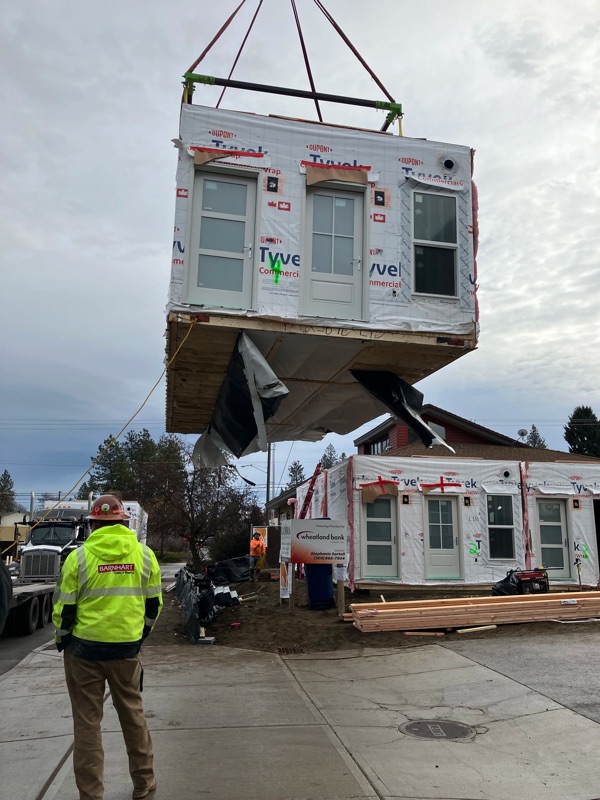
Located in Spokane, Washington, Project Zero (Oldivai on 31st) served as our inaugural pilot to validate a "kit-of-parts" concept. We didn't just build an apartment complex; we created a repeatable, scalable engine for workforce housing.
The results speak for themselves:
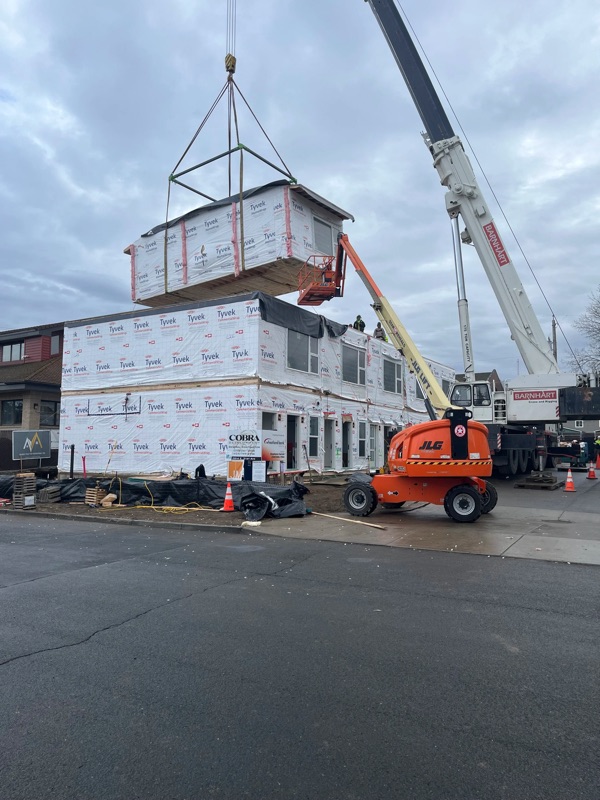
Speed: The 10-unit, 15-module complex was set in place by crane in just four days.
Efficiency: From groundbreaking to completion, the project was finished in 310 days—shaving weeks off traditional timelines.
Precision: By utilizing a climate-controlled factory environment and templated design, we delivered high-quality, 7,280-square-foot multifamily housing at a total cost of approximately $2.69M, proving that cost-effectiveness comes from doing things right the first time.
Moving Beyond "Wishful Thinking"
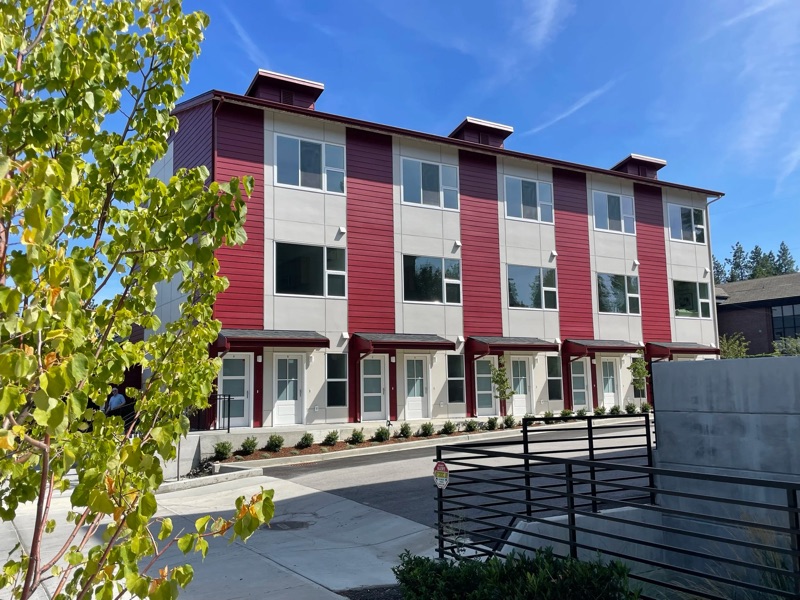
Project Zero isn't just a success story; it’s a blueprint. It proves that when you move away from "wishful thinking with a calculator" and toward a rigorous, industrialized system, the efficiencies of modular construction finally become real.
We aren't just building modules; we are building the future of how communities grow—one predictable, high-quality, and standardized unit at a time.
To learn more about how we are solving the housing gap through modular innovation, visit us at www.Oldivai.com.


Comments
Post a Comment