Small Grants, Big Impact: What Maine’s ADU Pilot Program Gets Right About the Housing Crisis

Across the country, we keep looking for a silver bullet to fix the housing shortage. Massive subsidies. Mega-developments. Sweeping federal programs.
But sometimes the most practical solutions are the smallest ones.
Three cities in Maine—Rockland, Bath, and Brunswick—are piloting a program that offers homeowners up to $10,000 to build an accessory dwelling unit (ADU). It’s called the ADU Boost Pilot Program, and while the grant itself may seem modest, the concept behind it is exactly the kind of thinking we need more of in housing policy.
From a real estate developer’s perspective, programs like this recognize something the market has been saying for years: the fastest way to create housing isn’t always through large-scale projects. Sometimes it’s by empowering existing property owners to add supply incrementally.
The Quiet Power of Accessory Dwelling Units
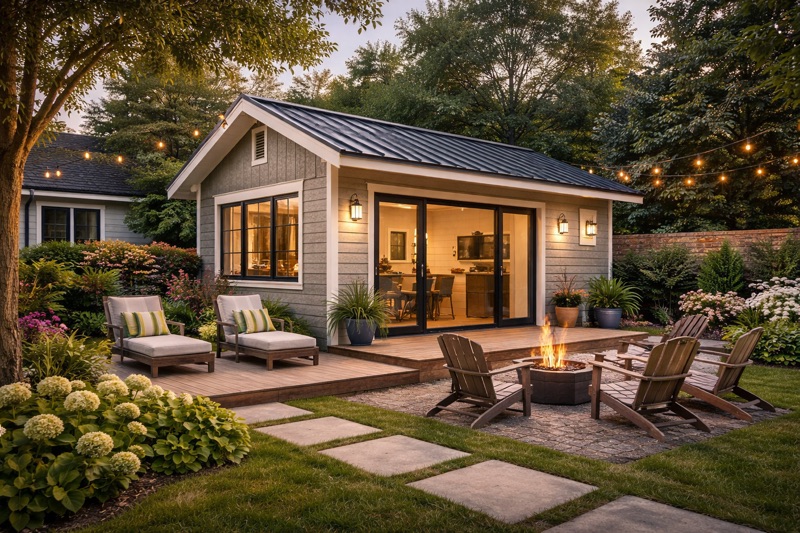
ADUs—sometimes called carriage houses, backyard cottages, or in-law apartments—are one of the most underutilized tools in American housing.
They’re small, flexible, and relatively quick to build. But more importantly, they unlock density in places that were never designed to accommodate it.
For cities like Rockland, Bath, and Brunswick—historic communities with large homes and established neighborhoods—ADUs are a natural fit. Many properties already have the space. What’s often missing is the financial push and regulatory support to make the project viable.
That’s where this pilot program steps in.
Homeowners can receive a grant of up to $10,000, covering roughly 10% of eligible construction costs. While that may not fund the entire project, it lowers the barrier just enough to move homeowners from thinking about building an ADU to actually doing it.
And that transition—from idea to action—is where most housing policy fails.
Housing Supply Doesn’t Only Come From Developers
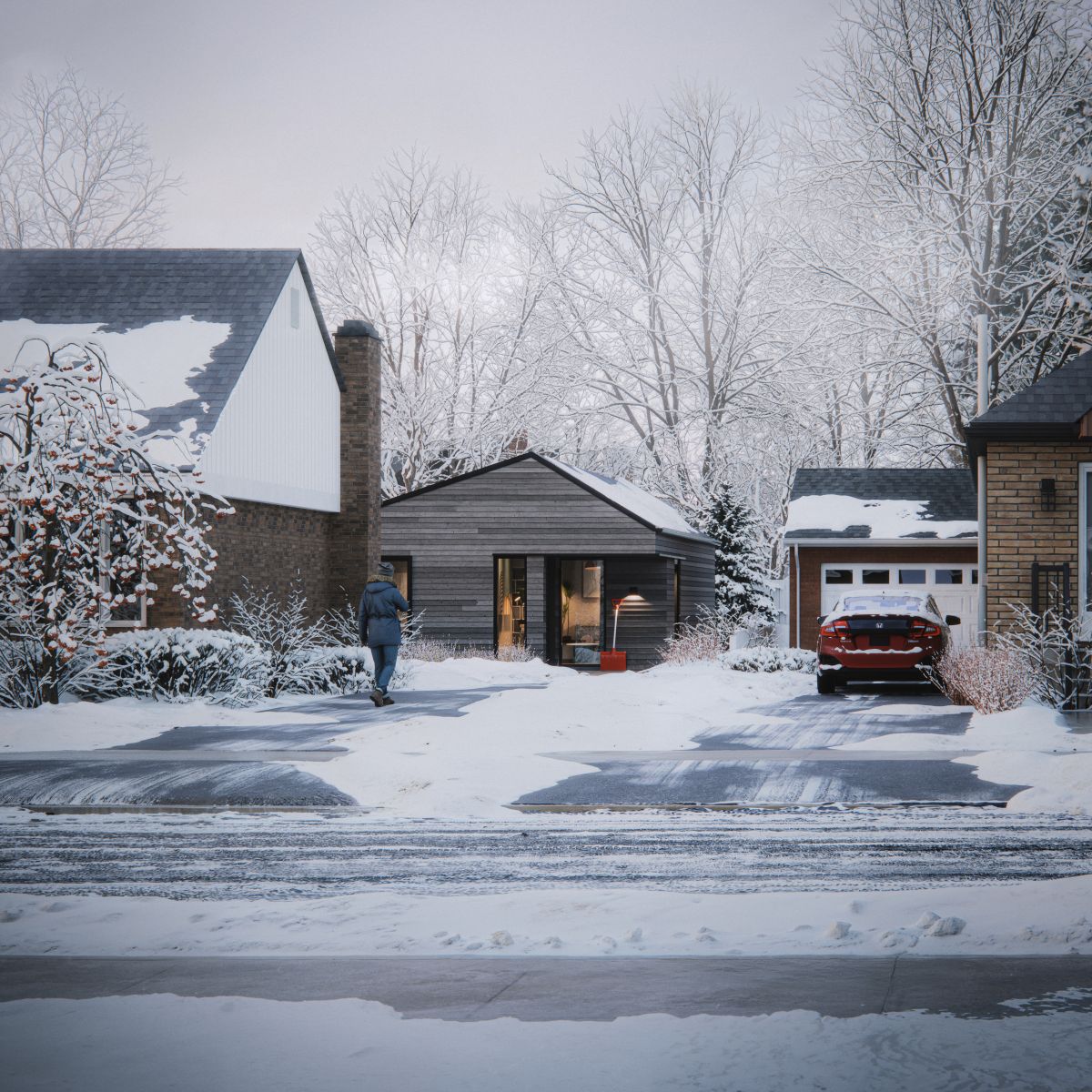
As a developer, I’m obviously a believer in building housing at scale. But we also need to acknowledge that developers alone can’t solve the housing shortage.
In many communities—especially smaller cities and towns—the biggest untapped housing resource is the existing housing stock.
When a homeowner adds an ADU, several things happen simultaneously:
- A new rental unit enters the market
- The homeowner gains a potential income stream
- The property value increases
- Housing options expand without altering neighborhood character
That last point matters. One of the biggest obstacles to new housing is community resistance. Large developments can take years of approvals and still face opposition. ADUs, by contrast, tend to integrate naturally into existing neighborhoods.
They’re incremental density, which is often the only politically viable form of density.
Aging in Place Meets Housing Supply
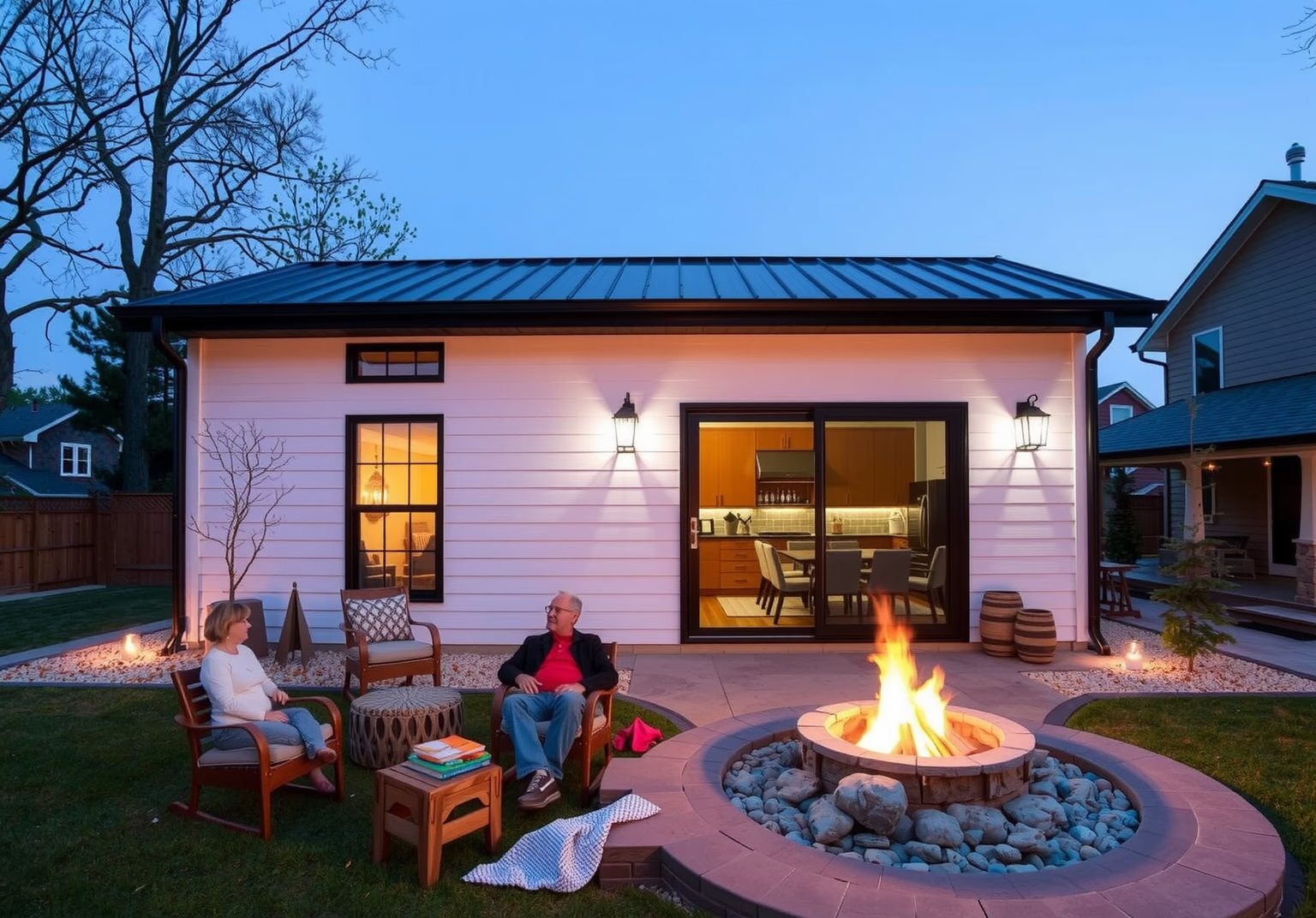
Another reason ADUs make so much sense—especially in a state like Maine—is demographics.
Programs like this allow homeowners to create rental income that helps them stay in their homes as they age. At the same time, those units can provide housing for young workers, family members, or caregivers.
That’s a rare policy win where both sides of the housing equation benefit.
Older homeowners gain financial stability and flexibility. Younger residents gain access to housing that might not otherwise exist.
Maine’s Housing Math
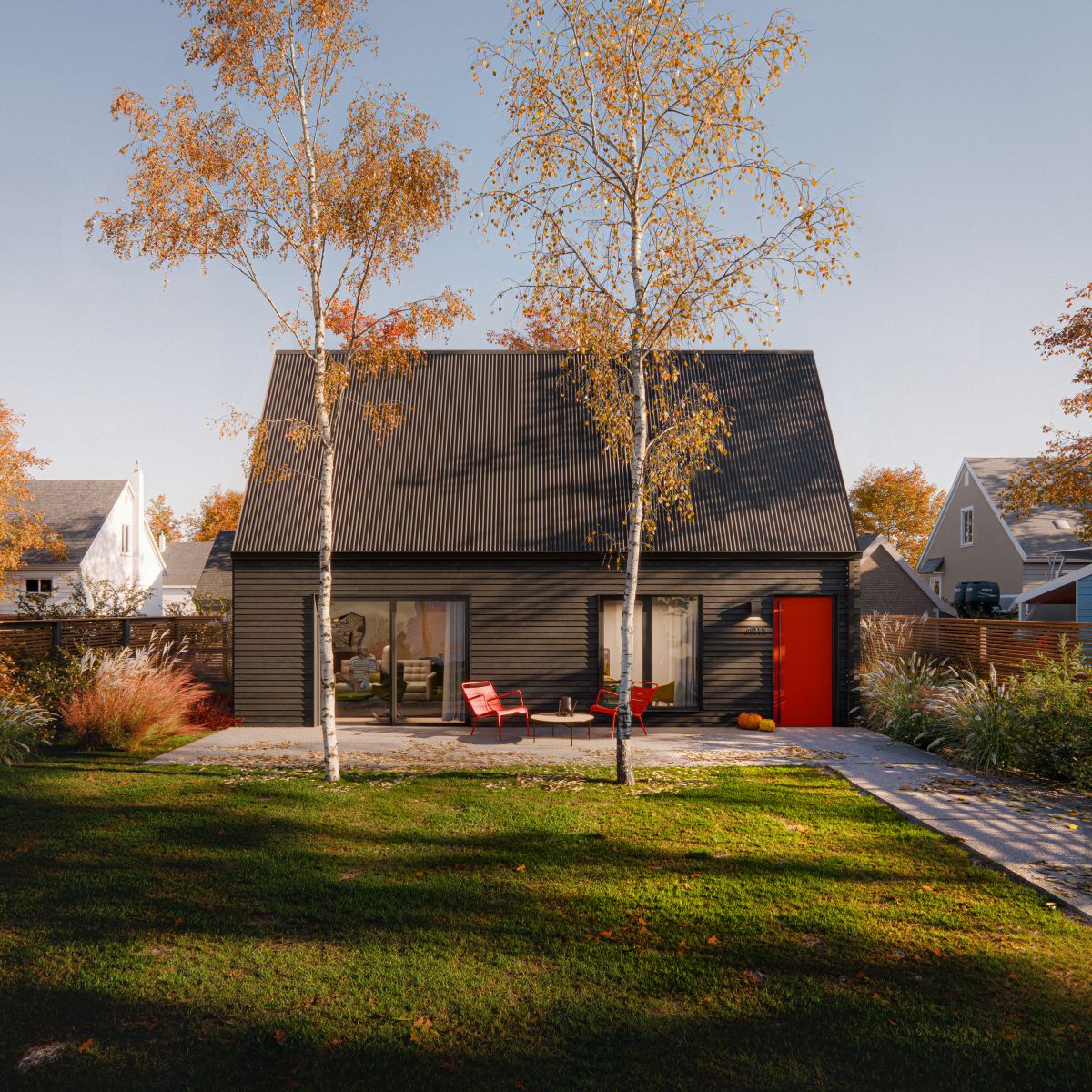
The state’s housing shortage reflects a broader national trend: strong demand meeting limited supply.
Maine’s median listing price is hovering around $440,000 while median household income sits near $71,000. That gap tells you everything you need to know about the affordability challenge.
Inventory simply hasn’t recovered since the pandemic-era housing shock, and demand for homes in places like coastal Maine continues to grow.
Without more housing supply, prices will keep climbing.
A Model That Should Expand to Maine’s Ski Towns
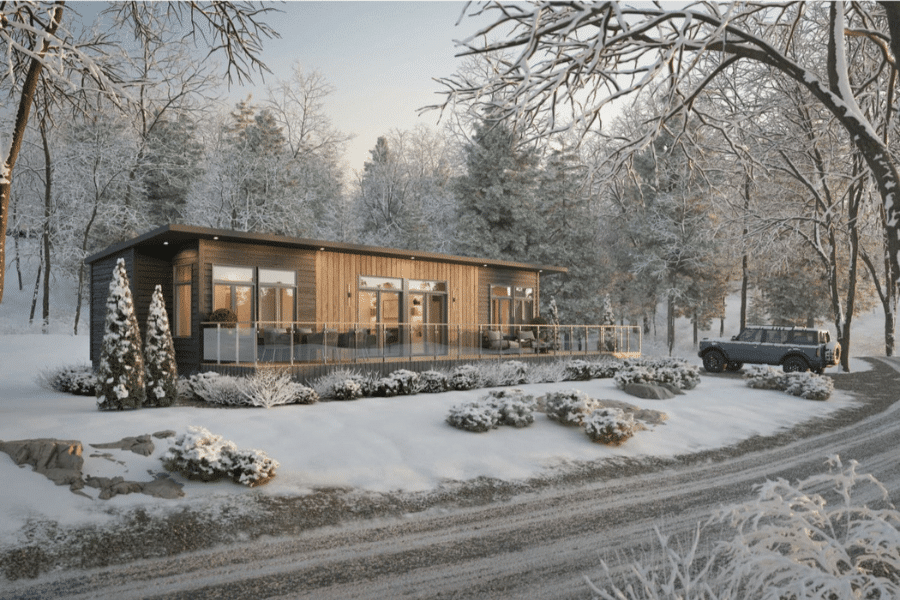
What’s particularly interesting about this pilot program is that its model could work just as well in Maine’s resort-driven communities.
Take Bethel and Newry, the two towns that anchor the area around Sunday River Resort. Like many ski destinations across the country, these communities face an acute housing imbalance.
Seasonal tourism drives demand, second-home ownership absorbs available inventory, and the local workforce—hospitality staff, lift operators, restaurant employees, and service providers—struggles to find housing within a reasonable distance of their jobs.
This is exactly the kind of environment where ADUs can make an immediate difference.
Many homes in Bethel and Newry sit on larger lots with room for a small secondary unit. With the right incentives and streamlined permitting, homeowners could add workforce housing while generating additional income.
A modest grant program similar to the Midcoast pilot could help catalyze that process.
Imagine if just a few hundred homeowners in the Sunday River region added a small rental unit. The impact on local housing supply would be significant—and it could happen far faster than waiting for large multifamily developments that often take years to entitle and build.
For resort communities, the benefits go even further. More housing means employers can recruit and retain workers, businesses can stay open year-round, and the local economy becomes more resilient.
The Real Opportunity
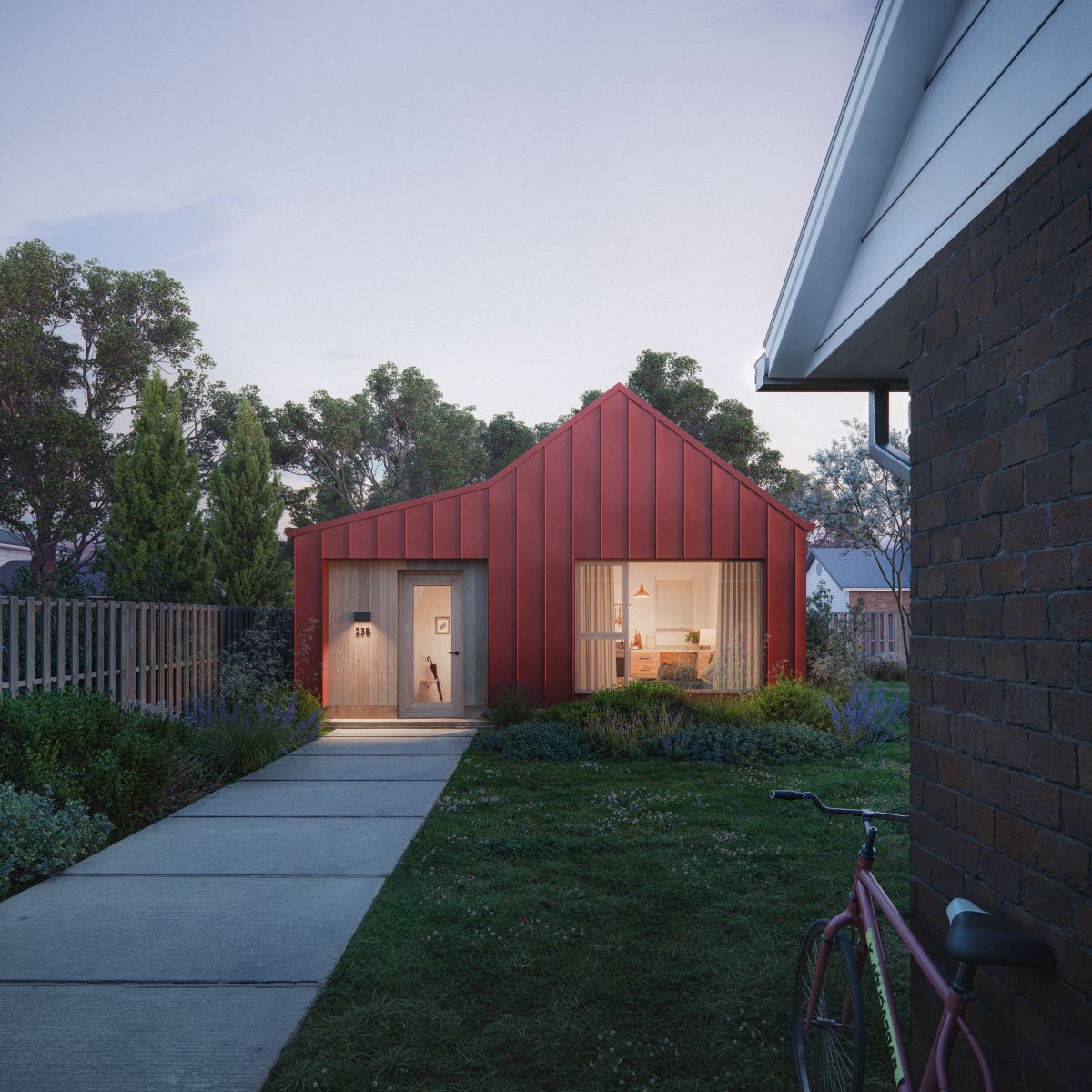
The most interesting part of this program isn’t the $10,000 grant. It’s the pilot itself.
If the initiative proves successful in Rockland, Bath, and Brunswick, it could scale across the state—and ideally into communities like Bethel and Newry that face some of the most acute workforce housing shortages.
Because here’s the reality: thousands of small housing decisions across thousands of properties can add up to a meaningful increase in supply.
Housing shortages rarely disappear overnight. They get solved gradually—one permit, one project, one unit at a time.
And sometimes, the most effective housing development in a community isn’t a 200-unit apartment building.
It’s a backyard cottage.


Comments
Post a Comment