Tackling the Affordable Housing Crisis: Lessons from the Front Lines and Our Innovative Approach at Oldivai
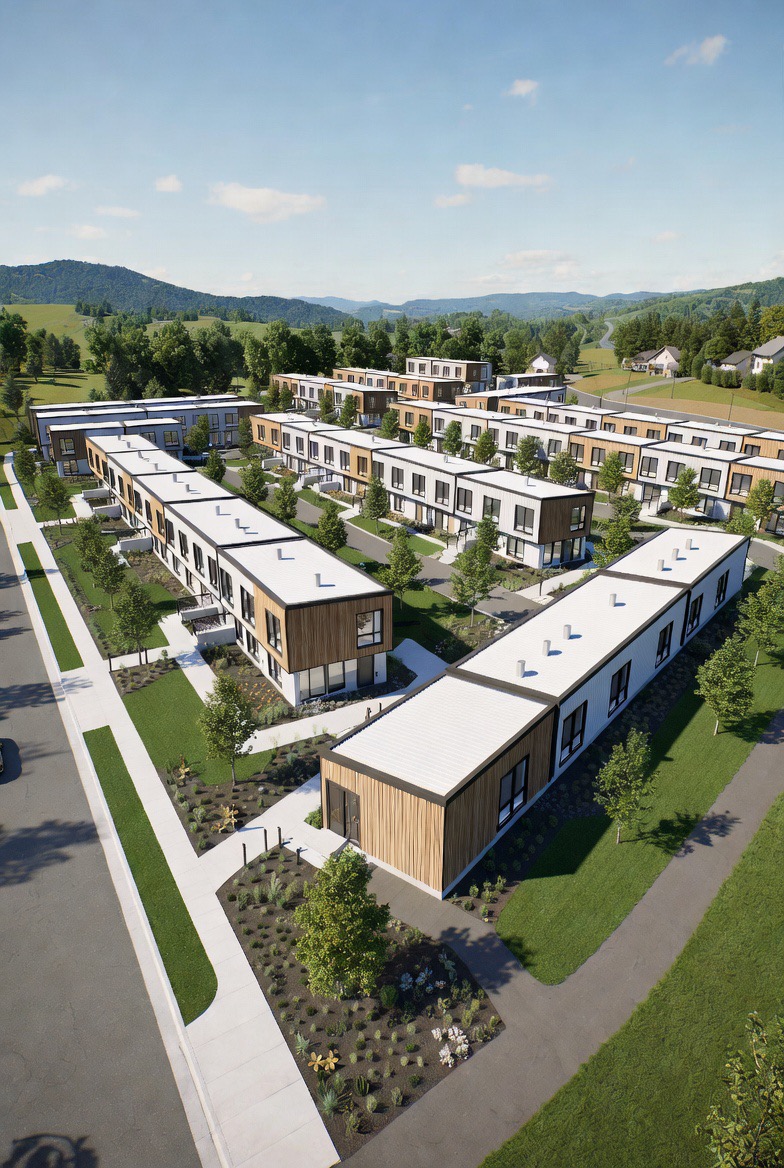 Hey everyone, Daniel Kaufman here, President of Oldivai and a real estate developer. I’ve led investments in thousands of housing units and always focused on projects that build stronger, more inclusive communities. Today, I want to dive into the real challenges of building affordable homes in today’s economy—drawing from the inspiring work of Upper Valley Habitat for Humanity—and then share how we’re shaking things up at Oldivai, especially with our exciting new workforce housing project in Shelburne, Vermont. As someone who’s passionate about sustainable development, I see these efforts as crucial for keeping our communities thriving.
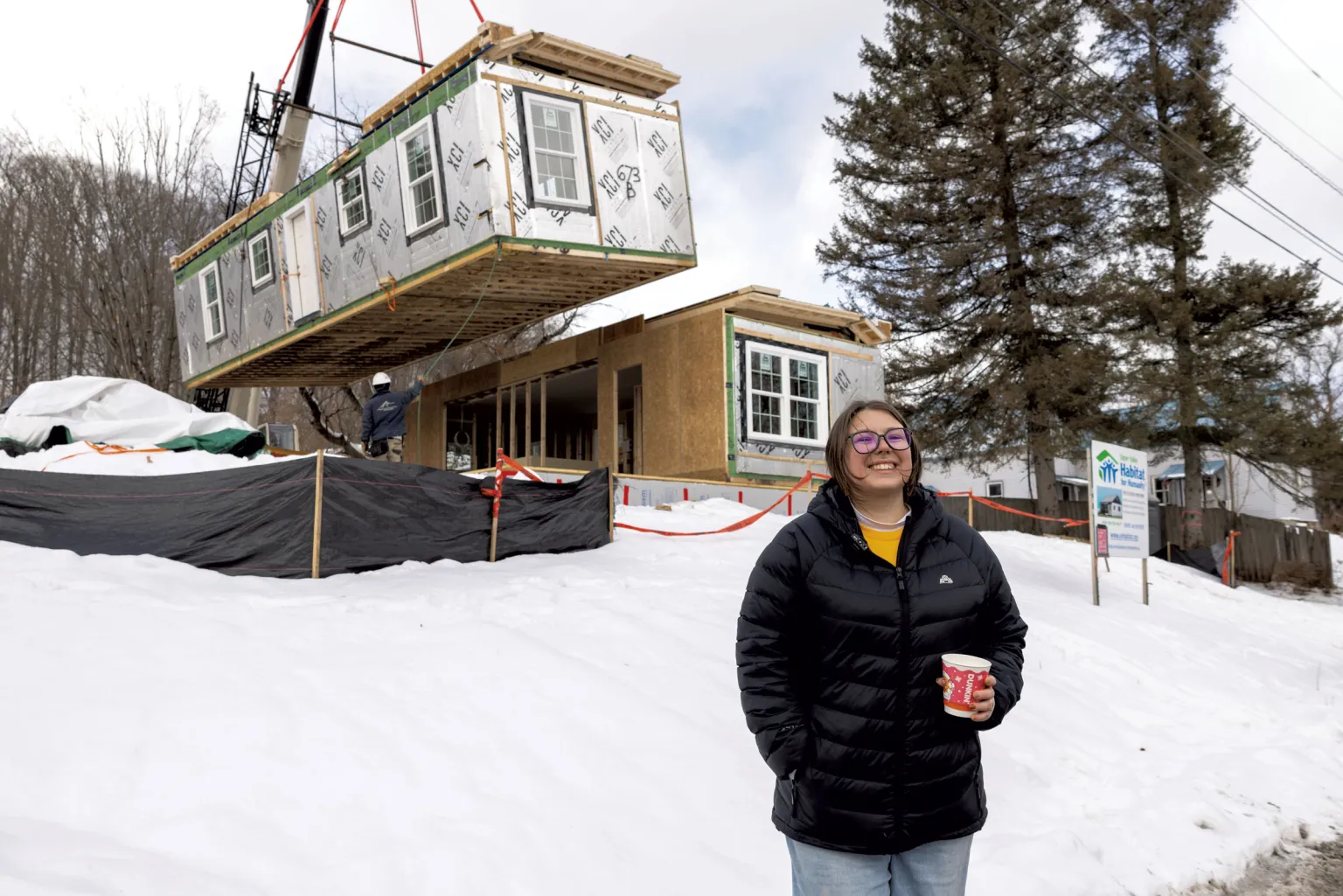
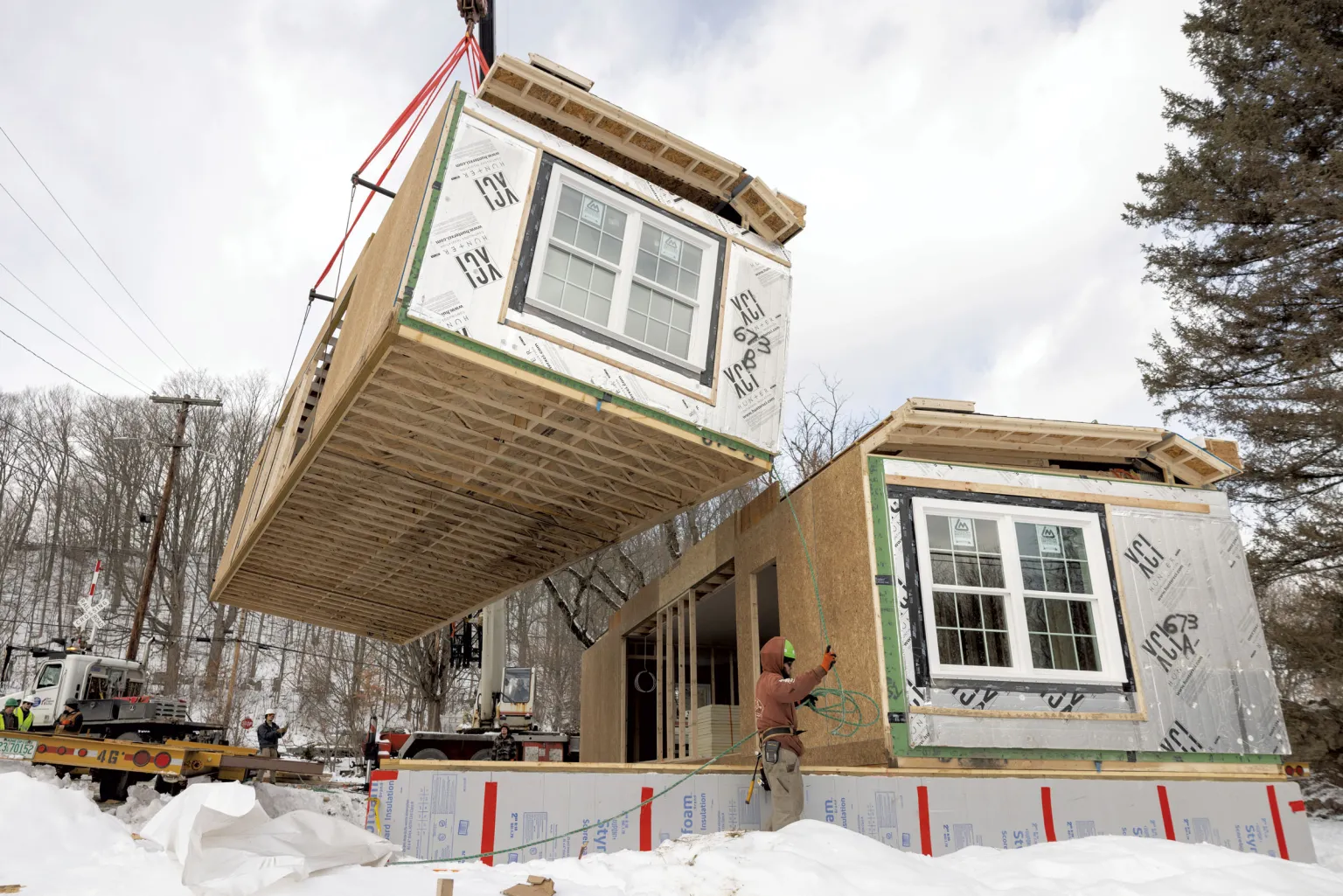
Let me start by sharing a story that really hit home for me. I recently came across the work of Upper Valley Habitat for Humanity, a nonprofit that’s been building affordable homes in Vermont and New Hampshire for nearly 40 years. Their executive director, Ashley Andreas, who took the reins last October, is navigating some tough waters with inflation and economic instability driving up construction costs. But she’s not backing down. I was particularly moved by their latest project on Nutt Lane in White River Junction, where a crane delivered two halves of a modular home that will soon become a three-bedroom haven for a mother and her three daughters. By summer, it’ll be ready—thanks to volunteer labor, smart partnerships, and a zero-interest loan from the Vermont Community Loan Fund.
What I admire most about Habitat is their model: They buy down costs with donations and volunteers, but homeowners still pay a mortgage—usually between $100,000 and $150,000—after meeting income requirements and prequalifying. Families contribute “sweat equity” hours, whether that’s swinging a hammer on-site or helping with admin work. And here’s the kicker: These homes come with perpetual affordability covenants, meaning they can’t be flipped for profit. It ensures that the gift keeps giving, creating starter homes under $400,000 in areas where that’s increasingly rare. As Andreas put it, it’s about passing on that step up to future generations.
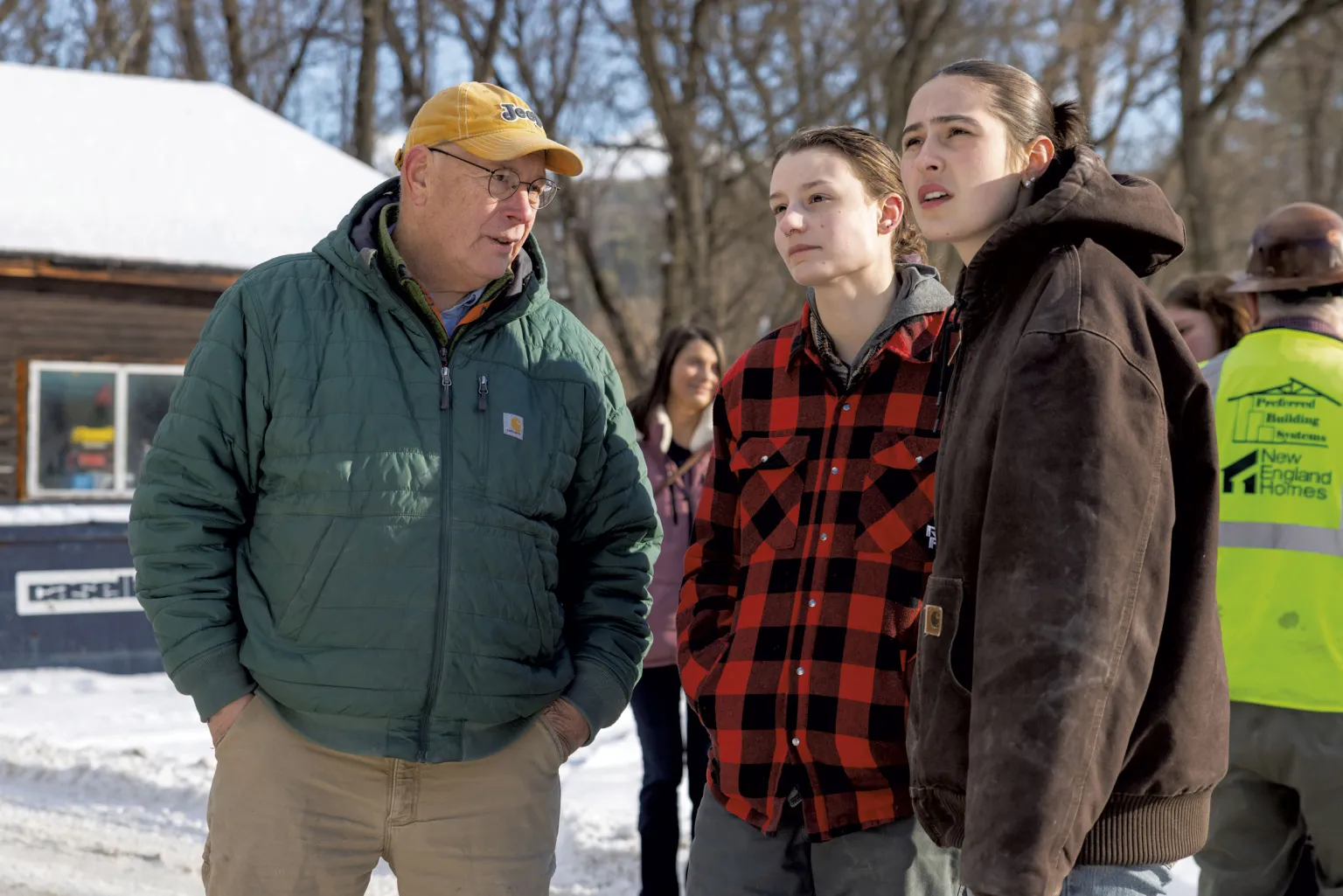
But the demand is overwhelming—20 applicants for just one home on Nutt Lane. And with material costs skyrocketing, they’re getting creative: Partnering with local schools like the Hartford Area Career & Technical Center for student help on foundations and finishes, going all-electric for energy efficiency, and experimenting with modular builds. Modular isn’t a silver bullet—it trades off some volunteer labor savings for speed and winter workability—but it’s a tool in the toolbox. Andreas is even eyeing larger developments on their owned properties and a strategic plan to ramp up output.
Habitat’s approach reminds me of the radical mutual aid at the heart of community building. When volunteers show up, they’re not just constructing houses; they’re learning skills, fostering sustainability, and creating bonds. It’s inspiring, but it also highlights the scalability challenges nonprofits face with limited funds from grants and donations. Vermont’s seven Habitat affiliates build about a dozen homes a year—vital work, but we need more to address the crisis.
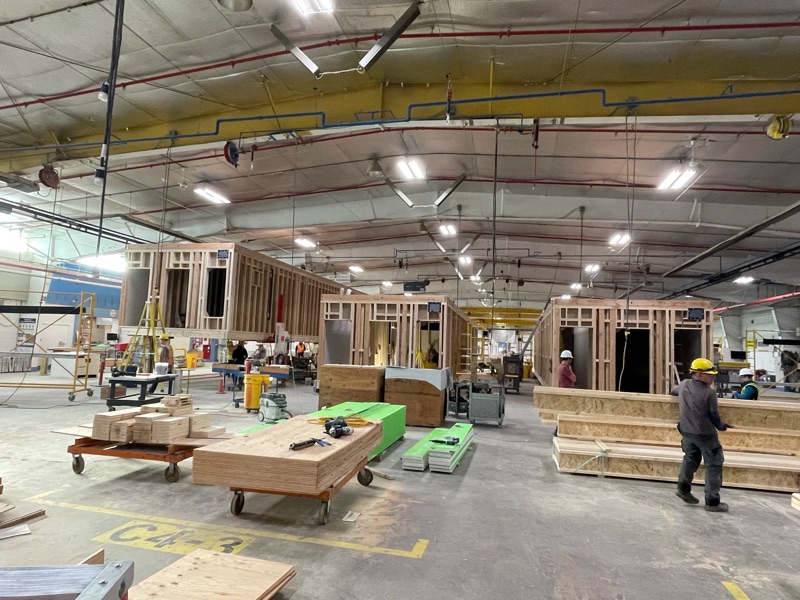
That’s where Oldivai comes in. At Oldivai, we’re building on these foundations but taking a fresh, scalable approach to workforce housing. Our mission is simple yet powerful: Develop well-located, affordable housing for working families, especially those in critical services like healthcare, education, and beyond, so they can live in the communities they serve. We partner with cities, employers, and stakeholders to accelerate infill redevelopment for the “missing middle”—folks who earn too much for subsidies but not enough for market rates.
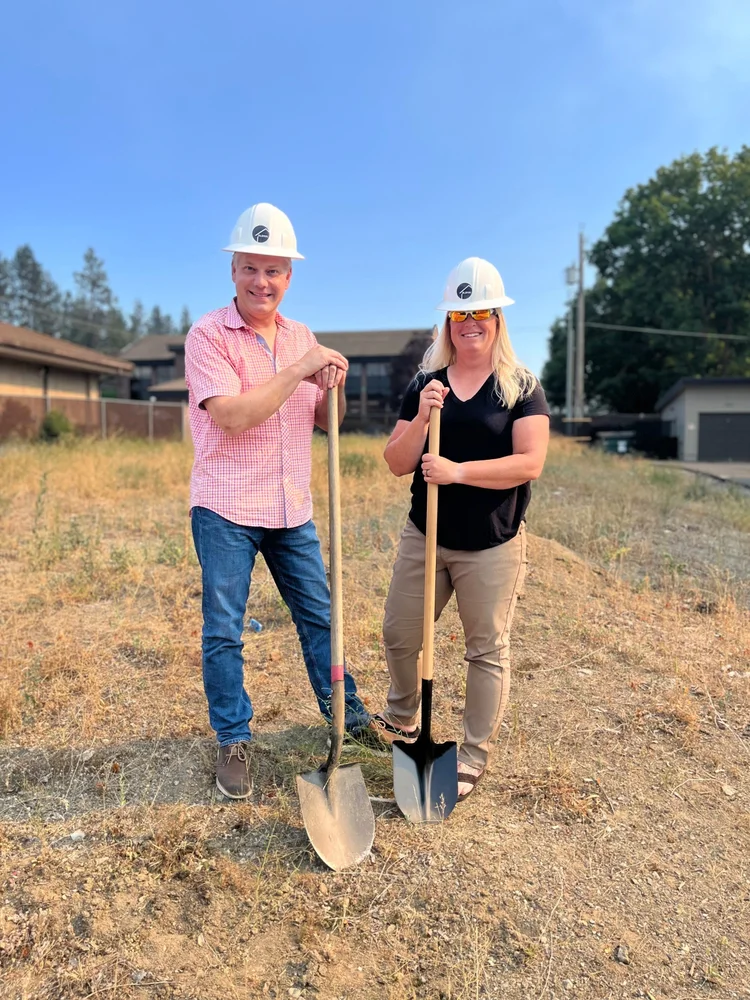
My partners and I—John Milne, our CEO and a practicing emergency physician with deep real estate experience from Providence St. Joseph Health, and Susan Gillespie, our COO and a Lean Six Sigma expert who’s overseen hundreds of millions in developments—started in healthcare housing. We saw how essential workers like lab techs and food service staff struggled to afford living near their jobs. Now, we’re expanding that model. We leverage modular construction and efficient, templated designs to drive down costs without skimping on quality or the human experience. It’s about creating safe, secure homes that catalyze local economies.
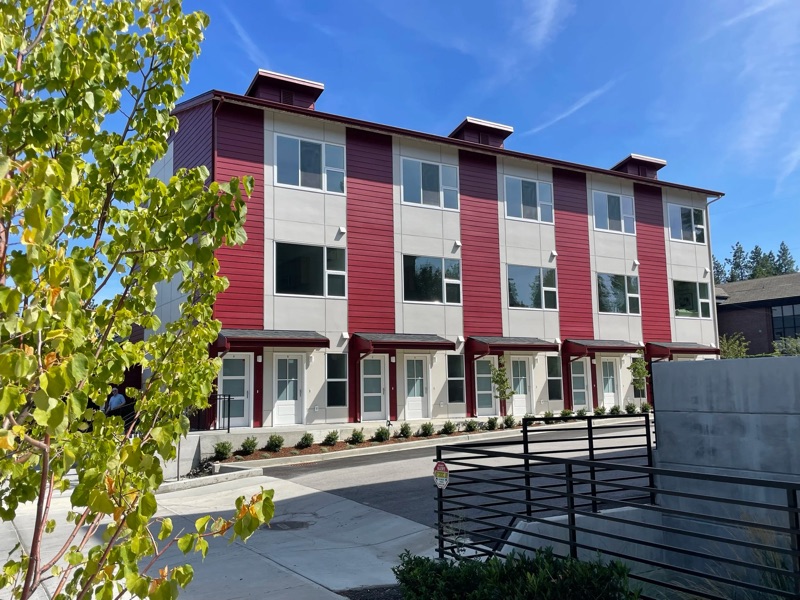
We’ve already proven it with Project Zero, our pilot in Spokane, Washington—a modular development that showcased how we can deliver affordability at scale. But we’re not stopping there. I’m thrilled to share that we’re moving into education with a groundbreaking partnership in Shelburne, Vermont, with the Champlain Valley School District (which includes Shelburne). This project addresses a pain point I’ve heard echoed across industries: Teachers and staff can’t afford to live near their schools, making it hard for districts to attract and retain talent.
The district owns a 30-acre plot off Route 7, and we’ve been exploring how to turn it into dense, workforce-focused housing—think condos and apartments, with a portion set aside at low cost for young teachers starting out. Base pay for a new teacher with a bachelor’s is around $51,355, rising to over $81,000 after a decade with a master’s, but Shelburne’s median home price tops $900,000. That’s out of reach, even for veterans. Our initial plan calls for 100 to 130 modular units, built efficiently to keep costs down.
We’re in the early stages— we’ve provided a market analysis, and next up are a needs assessment and feasibility study, involving the town and other stakeholders. The district could become an equity partner, subsidizing rents or mortgages as part of employment packages. This isn’t about profits for us; it’s about filling a critical need and keeping the district competitive. As Susan noted, many industries face this issue where in-person workers can’t afford proximity.
At Oldivai, we’re excited about how this differs from traditional models. While Habitat excels at one-off builds with heavy volunteer reliance, our templated modular approach allows for faster, larger-scale developments. We’re even exploring standardized designs and potential centralized workshops for panels, similar to what some Habitat affiliates are considering. But by partnering directly with employers like school districts, we ensure housing aligns with workforce needs, creating long-term stability.
If you’re in real estate, education, or just passionate about affordable housing, I’d love to connect. Check out our work at www.oldivai.com, watch our leadership video, or email me at daniel@danielkaufman.info with “Oldivai Investment Opportunities” in the subject for our latest deck. And if you’re in Vermont, stay tuned—this Shelburne project could be a game-changer for teachers and families alike.
What do you think? Have you seen similar housing challenges in your area? Drop a comment below—let’s keep the conversation going.
Thanks for reading,
Daniel Kaufman
President, Oldivai


Comments
Post a Comment